
Secure Payments: Protecting Your Business and Customer Data
Closer Capitalist·September 23, 2025·Payments & Merchant Services

In today’s digital landscape, the significance of secure payments cannot be overstated. As businesses increasingly rely on online transactions, the need for robust security measures has become paramount. We understand that secure payment systems not only protect our financial interests but also foster trust among our customers.
When consumers feel confident that their sensitive information is safeguarded, they are more likely to engage with our services and make purchases. This trust is essential for building long-term relationships and ensuring customer loyalty. Moreover, secure payments are crucial for maintaining our brand’s reputation.
A single data breach can lead to devastating consequences, including financial losses, legal repercussions, and a tarnished public image. By prioritizing secure payment methods, we demonstrate our commitment to protecting our customers and their information. This proactive approach not only mitigates risks but also positions us as a responsible and trustworthy entity in the marketplace.
In an era where cyber threats are ever-evolving, investing in secure payment solutions is not just a necessity; it is a strategic advantage. Join our community on our Facebook Group for more discussions and reviews.
Key Takeaways
- Secure payments are crucial for protecting both business and customer data from potential threats and breaches.
- Common threats to business and customer data include malware, phishing attacks, and data breaches.
- Best practices for securing payment transactions include using tokenization, implementing multi-factor authentication, and regularly updating security measures.
- Implementing secure payment technologies such as EMV chip cards and point-to-point encryption can help prevent data theft and fraud.
- Protecting customer data involves implementing strong access controls, encrypting sensitive information, and regularly monitoring for any suspicious activity.
Common Threats to Business and Customer Data
As we navigate the complexities of online transactions, we must remain vigilant about the various threats that can compromise both business and customer data. One of the most prevalent dangers is phishing attacks, where cybercriminals attempt to deceive individuals into revealing sensitive information by masquerading as legitimate entities. These attacks can take many forms, including fraudulent emails or fake websites that closely resemble trusted brands.
We must educate ourselves and our employees about recognizing these threats to minimize the risk of falling victim to such schemes. Another significant threat comes from malware and ransomware attacks. Cybercriminals often deploy malicious software to infiltrate systems, steal data, or even hold it hostage until a ransom is paid.
These attacks can disrupt operations and lead to severe financial losses. We must implement comprehensive security measures, including regular software updates and robust antivirus programs, to protect our systems from these insidious threats. By staying informed about the latest cyber threats and adopting proactive measures, we can better safeguard our business and our customers’ data.
Best Practices for Securing Payment Transactions

To ensure the security of payment transactions, we must adopt a series of best practices that can significantly reduce vulnerabilities. First and foremost, we should implement multi-factor authentication (MFA) for all payment processes. This additional layer of security requires users to provide multiple forms of verification before completing a transaction, making it much more difficult for unauthorized individuals to gain access.
By incorporating MFA into our payment systems, we enhance security while providing peace of mind to our customers. Additionally, we should regularly conduct security audits and vulnerability assessments to identify potential weaknesses in our payment systems. These assessments allow us to pinpoint areas that require improvement and ensure that our security measures are up-to-date with the latest industry standards.
Furthermore, we must train our employees on best practices for handling sensitive information and recognizing potential threats. By fostering a culture of security awareness within our organization, we empower our team to take an active role in protecting both business and customer data.
Implementing Secure Payment Technologies
As we explore secure payment technologies, we find that there are numerous options available to enhance transaction security. One such technology is tokenization, which replaces sensitive payment information with unique identifiers or tokens. This process ensures that actual card details are never stored or transmitted during transactions, significantly reducing the risk of data breaches.
By implementing tokenization, we can protect our customers’ information while still facilitating seamless payment processing. Another promising technology is the use of secure payment gateways that employ advanced encryption protocols. These gateways act as intermediaries between our business and financial institutions, ensuring that all transaction data is encrypted during transmission.
By utilizing secure payment gateways, we not only enhance security but also streamline the payment process for our customers. As we continue to explore innovative technologies, it is essential that we remain adaptable and open to integrating new solutions that can further bolster our payment security.
How to Protect Customer Data
Protecting customer data goes beyond securing payment transactions; it encompasses a holistic approach to data management and privacy. We must prioritize data minimization by only collecting the information necessary for transactions and customer interactions. By limiting the amount of personal data we gather, we reduce the risk of exposure in the event of a breach.
Additionally, we should implement strict access controls to ensure that only authorized personnel have access to sensitive customer information. Regularly updating our privacy policies and communicating them transparently to customers is also vital in building trust. We should inform customers about how their data will be used, stored, and protected.
This transparency not only reassures customers but also empowers them to make informed decisions about sharing their information with us. Furthermore, we must establish clear protocols for responding to data breaches or incidents, ensuring that we can act swiftly and effectively if a situation arises.
Compliance with Payment Card Industry Data Security Standards (PCI DSS)
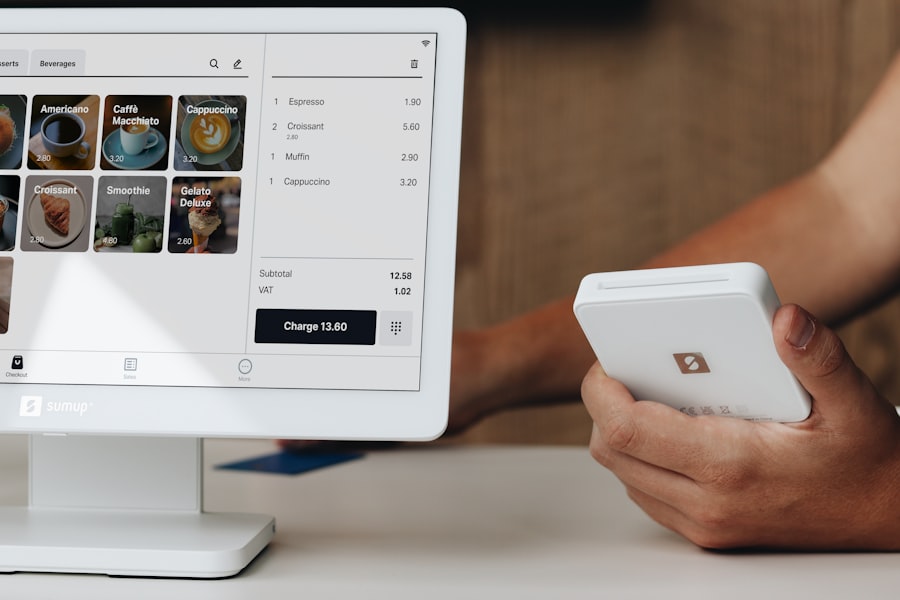
Compliance with Payment Card Industry Data Security Standards (PCI DSS) is a critical aspect of securing payment transactions and protecting customer data. These standards were established to ensure that all organizations that accept credit card payments maintain a secure environment. As we navigate the complexities of compliance, it is essential that we familiarize ourselves with the requirements outlined by PCI DSS.
Achieving compliance involves implementing a series of security measures, including maintaining a secure network, encrypting transmission of cardholder data, and regularly monitoring access to sensitive information. We must also conduct regular assessments and audits to ensure ongoing compliance with these standards. By adhering to PCI DSS guidelines, we not only protect our customers but also demonstrate our commitment to maintaining a secure payment environment.
The Role of Encryption in Secure Payments
Encryption plays a pivotal role in securing payment transactions and safeguarding customer data. By converting sensitive information into an unreadable format during transmission, encryption ensures that even if data is intercepted by malicious actors, it remains protected from unauthorized access. We must prioritize the implementation of strong encryption protocols throughout our payment processes to enhance security.
Moreover, encryption is not just limited to payment transactions; it should also extend to the storage of customer data. By encrypting stored information, we add an additional layer of protection against potential breaches. As technology continues to evolve, so too must our encryption practices.
Staying informed about advancements in encryption technology allows us to adapt and strengthen our security measures continually.
The Benefits of Secure Payments for Your Business
Investing in secure payments yields numerous benefits for our business beyond just protecting customer data. First and foremost, secure payment systems enhance customer trust and confidence in our brand. When customers know their information is safe, they are more likely to complete transactions and return for future purchases.
This increased customer loyalty translates into higher sales and revenue for our business.
Additionally, secure payments can lead to reduced operational costs associated with fraud prevention and incident response.
By minimizing the risk of data breaches and fraud-related losses, we can allocate resources more effectively toward growth initiatives rather than damage control.
Furthermore, demonstrating a commitment to security can differentiate us from competitors in a crowded marketplace, attracting new customers who prioritize safety in their purchasing decisions. In conclusion, as we navigate the complexities of modern commerce, prioritizing secure payments is essential for protecting both our business and our customers. By understanding common threats, implementing best practices, leveraging advanced technologies, ensuring compliance with industry standards, and fostering a culture of security awareness, we can create a safe environment for transactions that benefits everyone involved.
Ultimately, secure payments are not just a necessity; they are an investment in the future success of our business.
In today’s digital age, ensuring the security of payment systems is crucial for protecting both business and customer data. The article “Secure Payments: Protecting Your Business and Customer Data” delves into strategies and technologies that can safeguard sensitive information. For businesses looking to expand while maintaining robust security measures, exploring financial growth opportunities can be beneficial. A related article, “Unlocking Growth: Small Business Loans,” discusses how small businesses can leverage loans to fuel expansion while implementing secure payment solutions to protect their financial transactions.
FAQs
What are secure payments?
Secure payments refer to the process of conducting financial transactions in a way that ensures the protection of both the business and customer data involved. This includes using encryption, tokenization, and other security measures to prevent unauthorized access and fraud.
Why is it important to protect business and customer data during payments?
Protecting business and customer data during payments is crucial for maintaining trust and credibility with customers, as well as for complying with data protection regulations. It also helps to prevent financial losses due to fraud and unauthorized access.
What are some common methods for securing payments?
Common methods for securing payments include using encryption to protect data in transit, tokenization to replace sensitive information with non-sensitive equivalents, and implementing multi-factor authentication to verify the identity of users.
How can businesses ensure secure payments for their customers?
Businesses can ensure secure payments for their customers by using reputable payment processors and implementing security measures such as SSL certificates, PCI DSS compliance, and regular security audits. It is also important to educate employees and customers about best practices for secure payments.
What are the potential risks of not securing payments?
Not securing payments can lead to unauthorized access to sensitive customer data, financial losses due to fraud, damage to the business’s reputation, and potential legal consequences for failing to comply with data protection regulations.