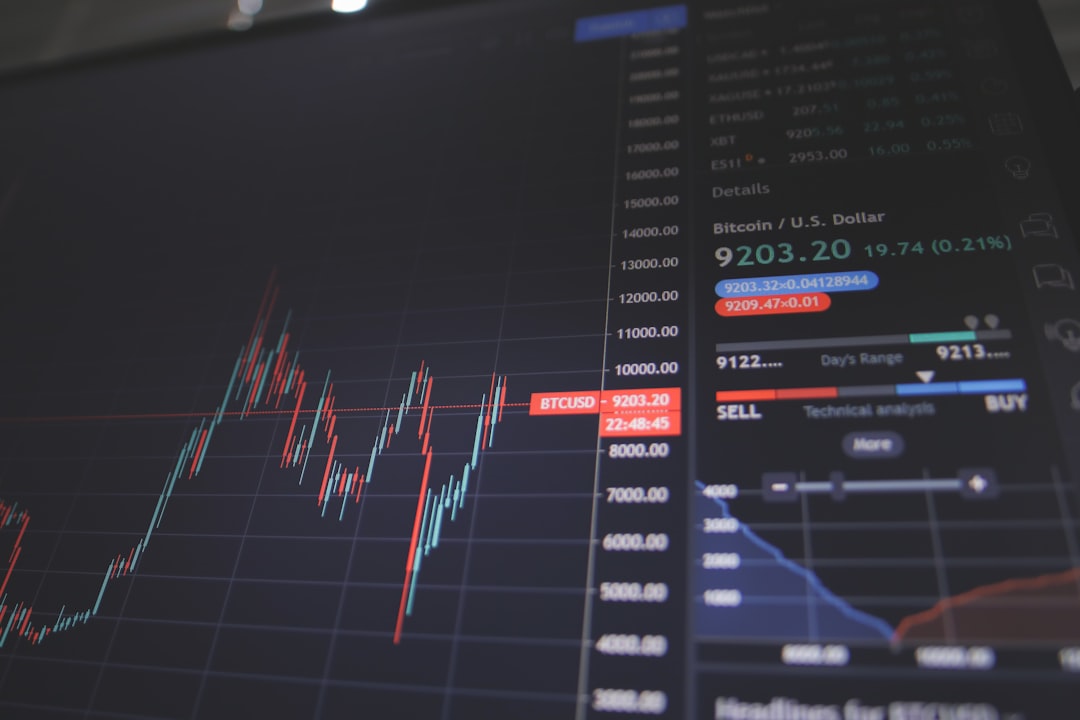
Enhancing Merchant Services with Real-Time Reporting and Monitoring
Closer Capitalist·March 7, 2026·Payments & Merchant Services
We are at a pivotal moment in how we manage our businesses, and at the heart of this evolution lies the efficiency and transparency of our merchant services. For too long, we’ve operated with a degree of guesswork, relying on delayed reports and reactive problem-solving. However, the landscape is shifting, and the integration of real-time reporting and monitoring is no longer a luxury; it is an imperative for sustained success and growth. We are talking about building a more resilient, informed, and ultimately, more profitable operational framework.
For decades, our understanding of our financial transactions and merchant service performance has been akin to navigating a dense fog. We receive daily, weekly, or even monthly reports, which, while informative, are essentially historical documents by the time they reach us. This delayed feedback loop means we are perpetually playing catch-up. We might discover a fraudulent transaction days after it has occurred, a dip in transaction volume that has been steadily eroding revenue, or an operational bottleneck that has been quietly slowing down customer service for weeks. This lack of immediate insight forces us into a reactive posture, where we are constantly dousing fires rather than preventing them from igniting.
The Cost of Delayed Information
The tangible cost of this delayed information manifests in several ways. Firstly, there’s the direct financial impact of fraud. Each fraudulent transaction represents a loss that could have been mitigated with prompt detection. Secondly, missed opportunities for optimization are rampant. If we don’t see in real-time which payment methods are proving most popular or where customer checkout abandonment is occurring, we are unable to adapt our strategies to capitalize on consumer behavior or address friction points.
The Illusion of Control
Relying solely on historical data can create an illusion of control. We review the numbers, identify trends, and make decisions based on past performance. However, the business environment is dynamic. Consumer preferences shift, market disruptions occur, and competitive pressures intensify. Without the ability to monitor these changes as they happen, our past-based strategies can quickly become obsolete, leaving us vulnerable.
Operational Inefficiencies Undetected
Beyond financial implications, operational inefficiencies can fester unseen. A technical glitch in a payment gateway, a delay in customer support response times related to payment issues, or an unexpected surge in transaction failures can all significantly impact customer experience and operational costs. Traditional reporting often aggregates this data, masking the granular issues that, if addressed immediately, could prevent a cascade of problems.
Real-time reporting and monitoring for merchant services is crucial for businesses looking to optimize their financial operations and enhance customer experiences. For those interested in exploring how financial tools can drive growth, a related article discusses the importance of business loans in unlocking potential for expansion. You can read more about this topic in the article titled “Unlocking Growth: Ryan Stewman’s Business Loans” available at this link.
The Dawn of Real-Time Visibility
The advent of real-time reporting and monitoring for merchant services transforms this operational paradigm. It’s like upgrading from a blurry, distant map to a live, interactive GPS system that shows us every turn, every traffic jam, and every potential shortcut. This immediate access to data empowers us to make informed decisions with unprecedented speed and accuracy. We are no longer looking in the rearview mirror; we are actively steering our vessel with a clear view of the waters ahead.
Defining Real-Time Reporting and Monitoring
In essence, real-time reporting and monitoring involves collecting, processing, and presenting data as it is generated, or with a minimal delay that is practically instantaneous. For merchant services, this means having dashboards that update continuously, showing us transaction volumes, processing times, success rates, error codes, fraud alerts, and customer sentiment related to payment interactions, all as they happen.
The Technology Enabling Real-Time Insights
This transformation is driven by advancements in data analytics, cloud computing, and sophisticated software platforms. APIs (Application Programming Interfaces) play a crucial role, allowing different systems - from payment gateways to point-of-sale devices to our own internal CRM - to communicate seamlessly and share data in real-time. Machine learning and artificial intelligence are further enhancing these capabilities, enabling predictive analytics and automated anomaly detection.
The Shift from Data Archaeology to Data Navigation
Traditional reporting often feels like archaeological digging, unearthing buried information. Real-time reporting, on the other hand, is about data navigation. We are not just finding data; we are actively charting our course with it. This proactive approach allows us to respond to emerging trends, mitigate risks, and seize opportunities as they arise, rather than reacting to consequences that have already unfolded.
Key Components of a Real-Time Merchant Services Ecosystem

Implementing a robust real-time reporting and monitoring system isn’t a single product installation; it’s about building an interconnected ecosystem. We need to ensure that the various components of our payment processing infrastructure are speaking the same language and sharing their insights without delay.
Integrated Data Feeds
The foundation of any real-time system is the integration of data feeds from all relevant sources. This includes our payment gateways, acquirers, processors, fraud detection systems, and even customer interaction platforms. When these systems are siloed, real-time insight is impossible. We need them to act as tributaries flowing into a central reservoir of actionable intelligence.
Interactive Dashboards and Visualizations
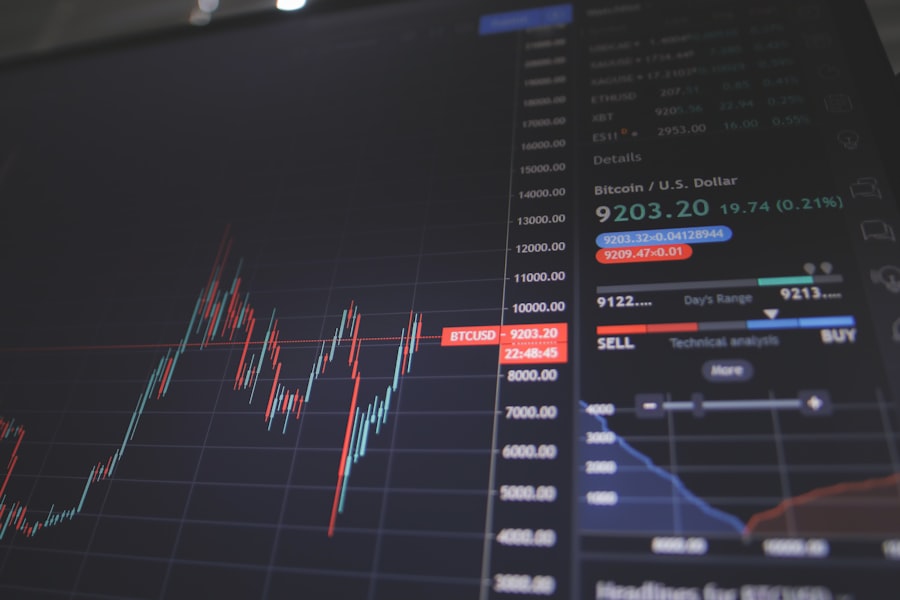
Raw data, even in real-time, can be overwhelming. Therefore, interactive dashboards and intuitive visualizations are critical. These tools translate complex data into easily digestible formats, allowing us to grasp key performance indicators (KPIs) at a glance. Think of it as having a control tower for our financial operations, with clear displays of all critical air traffic.
Alerting and Notification Systems
The true power of real-time monitoring lies in its ability to proactively alert us to issues. Automated alerts triggered by predefined thresholds for transaction declines, suspicious activity, high error rates, or unusual spending patterns are essential. These notifications should be configurable and delivered through preferred channels, ensuring that the right people are informed instantly.
Historical Data Overlay
While the focus is on real-time, the ability to overlay this live data with historical trends provides crucial context. Understanding how a current spike in transaction failures compares to typical patterns, or how current sales volume aligns with seasonal averages, allows for more nuanced analysis. This bridge between the immediate and the past provides a comprehensive picture.
Sure, here is the sentence with the clickable link: I joined the Facebook Group to connect with other like-minded individuals.
Enhancing Operational Efficiency through Real-Time Insights

The immediate benefits of real-time reporting and monitoring are often seen in operational efficiency. When we can see problems as they occur, we can fix them before they escalate and impact a wider audience. This is like a mechanic spotting a loose bolt on an assembly line; it is far easier and cheaper to fix it immediately than to wait for the entire machine to break down.
Fraud Detection and Prevention
One of the most impactful applications of real-time monitoring is in fraud detection and prevention. By analyzing transaction patterns, IP addresses, device fingerprints, and other data points in real-time, we can identify and flag suspicious activities as they happen. This allows us to decline fraudulent transactions before they are completed, saving us significant financial losses and protecting our customers’ accounts.
Transaction Monitoring and Success Rates
We need to know, moment by moment, how our transactions are performing. Real-time monitoring of transaction success rates, decline reasons, and processing times allows us to identify and address issues with payment gateways, card networks, or specific card types. This can prevent revenue leakage and improve customer checkout experience, as fewer customers abandon their purchases due to payment processing problems.
Customer Experience Optimization
Payment friction is a significant contributor to customer churn. Real-time monitoring of customer interactions related to payments - such as abandoned cart analysis, payment error feedback, and customer support inquiries about transactions - provides invaluable insights. We can quickly identify points of frustration and make immediate adjustments to our checkout process or support protocols.
Resource Allocation and Staffing
Understanding real-time transaction volumes and customer support needs allows for more agile resource allocation. If we see a sudden surge in online orders, we can instantly adjust staffing levels in our fulfillment centers. Similarly, if payment-related inquiries spike, we can reallocate customer support agents to handle them, ensuring timely assistance and preventing backlogs.
Real-time reporting and monitoring for merchant services is crucial for businesses looking to optimize their financial operations and enhance customer satisfaction. By leveraging advanced analytics and tracking tools, merchants can gain immediate insights into their sales performance and transaction trends. For those interested in exploring effective financial strategies, a related article discusses smart wealth-building strategies for entrepreneurs, which can complement the benefits of real-time reporting. You can read more about it in this insightful piece on smart wealth-building strategies for entrepreneurs.
Strategic Decision-Making Powered by Live Data
Metrics
Value
Transaction Volume
10,000 transactions per day
Transaction Success Rate
98%
Real-Time Monitoring Alerts
5 alerts per hour
Response Time
Under 2 seconds
Beyond operational improvements, real-time reporting and monitoring fundamentally alter our approach to strategic decision-making. We move from making educated guesses based on stale information to making data-driven decisions with immediate contextual understanding. This is akin to a ship captain using a live radar system to navigate treacherous waters, adjusting course instantaneously based on changing conditions.
Identifying Emerging Trends and Opportunities
Real-time data allows us to spot emerging trends in consumer behavior, product popularity, and market shifts as they happen. This could be a sudden increase in demand for a particular product, a shift towards a new payment method, or a competitor’s promotional activity impacting our sales. Being able to identify these changes early allows us to adapt our offerings, marketing campaigns, or pricing strategies to capitalize on new opportunities or mitigate emerging threats.
Performance Benchmarking and Competitive Analysis
With real-time access to our own performance metrics, we can establish more granular benchmarks for success. Moreover, when complemented with market intelligence, it can provide near real-time comparisons against competitors. Understanding how our sales, transaction success rates, or acceptance rates stack up against industry averages or specific competitors allows for more informed strategic adjustments.
Business Scalability and Growth Forecasting
Accurate, real-time data is the bedrock of effective scalability and growth forecasting. By understanding current transaction volumes, processing capacities, and customer acquisition rates, we can make more reliable predictions about future growth. This allows us to proactively invest in infrastructure, staffing, and technology to support anticipated expansion without being caught off guard.
Risk Management and Compliance
Real-time monitoring plays a vital role in ongoing risk management and compliance. For instance, in industries with strict regulatory requirements, real-time tracking of transactions and data handling can ensure continuous adherence to compliance standards. It also allows for immediate identification and remediation of potential compliance breaches, preventing costly penalties.
The Future is Now: Embracing Real-Time Merchant Services
The transition to real-time reporting and monitoring for our merchant services is not a distant aspiration; it is a present reality that we must embrace to remain competitive and resilient. The businesses that fail to adopt these technologies risk being left behind, operating on outdated information and making decisions in the dark.
The Competitive Imperative
In today’s fast-paced business environment, agility is paramount. Businesses that can react quickly to market changes, customer demands, and operational challenges will consistently outperform those that are slow to adapt. Real-time reporting and monitoring provide the necessary speed and insight to achieve this agility.
Investment in Technology and Talent
Embracing real-time merchant services requires an investment in the right technology and the development of skilled talent. This includes selecting appropriate software platforms, ensuring robust data integration capabilities, and training our teams to interpret and act upon real-time data effectively. This investment is not an expense; it is a strategic allocation of resources for futureproofing our operations.
Continuous Improvement and Adaptation
The journey to fully leveraging real-time capabilities is one of continuous improvement and adaptation. As our businesses evolve and new technologies emerge, our monitoring and reporting systems must also adapt. Embracing a mindset of ongoing refinement will ensure that we remain at the forefront of operational efficiency and strategic decision-making.
Building a Resilient Business Backbone
Ultimately, by integrating real-time reporting and monitoring into our merchant services, we are not just optimizing a single function; we are building a more resilient, informed, and agile business backbone. This foundation allows us to face the uncertainties of the market with greater confidence, to seize opportunities with greater speed, and to navigate challenges with greater precision. We are empowering ourselves with the clarity and foresight needed to thrive in the modern economy.
FAQs
What is real-time reporting and monitoring for merchant services?
Real-time reporting and monitoring for merchant services refers to the ability to track and analyze transaction data as it occurs, providing immediate insights into sales, customer behavior, and payment processing.
How does real-time reporting and monitoring benefit merchants?
Real-time reporting and monitoring allows merchants to make informed decisions quickly, identify and address issues promptly, and optimize their operations for improved efficiency and profitability.
What types of data can be accessed through real-time reporting and monitoring for merchant services?
Real-time reporting and monitoring can provide access to a wide range of data, including transaction volumes, sales trends, customer demographics, payment processing times, and fraud detection alerts.
What technologies are used to enable real-time reporting and monitoring for merchant services?
Technologies such as advanced analytics, data visualization tools, and integrated payment processing systems are used to enable real-time reporting and monitoring for merchant services.
How can merchants implement real-time reporting and monitoring for their business?
Merchants can implement real-time reporting and monitoring by partnering with payment service providers that offer advanced reporting and monitoring capabilities, and by integrating these tools into their existing business systems.