The Rise of BNPL Loans: Everyday Purchase Trends
Closer Capitalist·March 3, 2026·Payments & Merchant Services

The landscape of consumer finance is a dynamic and ever-evolving territory, and in recent years, we have witnessed the emergence of a powerful new player: Buy Now, Pay Later (BNPL) loans. These installment payment plans have rapidly transformed from niche offerings to a mainstream fixture, reshaping how we approach everyday purchases. As consumers and observers, we find ourselves at a critical juncture, needing to understand the mechanisms, implications, and future trajectory of this financial innovation. Our exploration will delve into the factual underpinnings of BNPL’s rise, examining its adoption across various sectors and its impact on our collective spending habits.
Our journey into BNPL begins with its origins, tracing a path from traditional layaway plans to the sophisticated digital platforms we know today. While the concept of deferred payment is far from new, BNPL’s modern iteration is distinctly a product of the digital age.
From Layaway to Digital Convenience
Historically, layaway plans allowed us to reserve an item by making partial payments over time, with the merchandise released only upon full payment. This model, prevalent in the mid-20th century, offered a budget-friendly way to acquire goods, particularly for larger purchases.
- Key Differences: BNPL diverges significantly from layaway. Instead of waiting, we receive the item immediately, effectively taking possession while still owing a balance. This instant gratification is a core tenet of its appeal.
- Technological Enablement: The advent of sophisticated algorithms, instant credit checks, and seamless online integration has been crucial for BNPL’s proliferation. Our smartphones become our financial conduits, facilitating these rapid transactions.
The Appeal of Interest-Free Installments
Perhaps the most compelling feature for us, the consumers, is the promise of interest-free installments. This stands in stark contrast to traditional credit cards, which often come with high Annual Percentage Rates (APRs) if balances are not paid in full each month.
- Perceived Affordability: BNPL breaks down a larger purchase into smaller, more manageable chunks, creating an illusion of affordability even for items we might otherwise hesitate to buy outright.
- Budgeting Tool: For some, BNPL serves as a practical budgeting tool, allowing us to spread costs without incurring interest, provided we adhere to the payment schedule. This can be particularly useful for immediate needs when our cash flow is temporarily constrained.
The Ecosystem of BNPL Providers
The BNPL market isn’t a monolithic entity but a diverse ecosystem comprising numerous players. Companies like Afterpay, Klarna, Affirm, and Zip have carved out significant market share, each with slightly varying models but a shared core offering.
- Diverse Business Models: While all offer installment payments, the specifics of fees, merchant agreements, and credit assessment can differ. Some primarily target fashion and beauty, while others extend to travel and larger ticket items.
- Strategic Partnerships: BNPL providers often integrate directly with retailers, becoming an embedded payment option at checkout, a testament to their growing influence in the e-commerce landscape. We see their logos appearing alongside traditional credit card options with increasing frequency.
As the popularity of Buy Now, Pay Later (BNPL) loans continues to grow for everyday purchases, it is essential to consider the broader implications of this trend on consumer behavior and financial planning. A related article that delves into effective strategies for high-ticket closing can provide valuable insights into how businesses can adapt to this evolving landscape. For more information, you can read the article on mastering high-ticket closing strategies for success at Closer Capital Reviews.
The Pervasive Reach: Everyday Purchase Trends
The true measure of BNPL’s impact lies in its pervasive reach across various everyday purchases. What began as a niche offering for fashion has now permeated nearly every retail sector, becoming a ubiquitous presence in our digital shopping carts.
Fashion and Apparel: The Early Adopters
The fashion industry was among the first to embrace BNPL, recognizing its potential to boost sales and cater to a younger, digitally native demographic.
- Faster Trend Adoption: For us, BNPL facilitates quicker adoption of fast fashion trends, allowing us to keep pace with an ever-changing aesthetic without immediate full payment.
- Increased Basket Size: Retailers report that customers using BNPL tend to purchase more items or higher-priced items, as the perceived financial burden is distributed. We are more inclined to add that extra top or accessory when the immediate cost is less daunting.
Electronics and Gadgets: Bridging the Affordability Gap
High-value electronics, from smartphones to laptops, often represent significant financial outlays. BNPL has emerged as a crucial tool for us to access these items without needing to save up the full amount upfront.
- Accessibility for Premium Products: BNPL makes premium gadgets more accessible, effectively lowering the entry barrier for us to acquire the latest technology.
- Upgrade Cycles: It also influences upgrade cycles, allowing us to replace older devices sooner than we might if we had to pay the full price immediately.
Home Goods and Furniture: Making Big Ticket Items Manageable
Purchasing furniture or home appliances can be a substantial investment. BNPL options soften the financial blow, enabling us to furnish our homes without significant upfront capital.
- Renovation and Redecoration: For us engaging in home improvement, BNPL can be a lifesaver, allowing us to spread the cost of new appliances, bedding, or decorative items.
- Instant Gratification for Essentials: When a refrigerator breaks down or a washing machine needs replacing, BNPL offers a quick solution to an urgent need without draining our savings.
Emerging Sectors: Groceries and Travel
Beyond traditional retail, BNPL is cautiously expanding into even more fundamental categories, including groceries and travel. This expansion signals a broader ambition to become an omnipresent payment method.
- Necessities on Installment: The idea of paying for groceries in installments raises questions about financial stability for some, while others view it as a safety net during lean times. We are seeing trials and limited rollouts in this sector.
- Holiday Planning: For holidays and flights, BNPL allows us to book travel without immediate full payment, making dream vacations more attainable and providing flexibility in budgeting for our leisure activities.
The Merchant’s Perspective: A Powerful Sales Driver
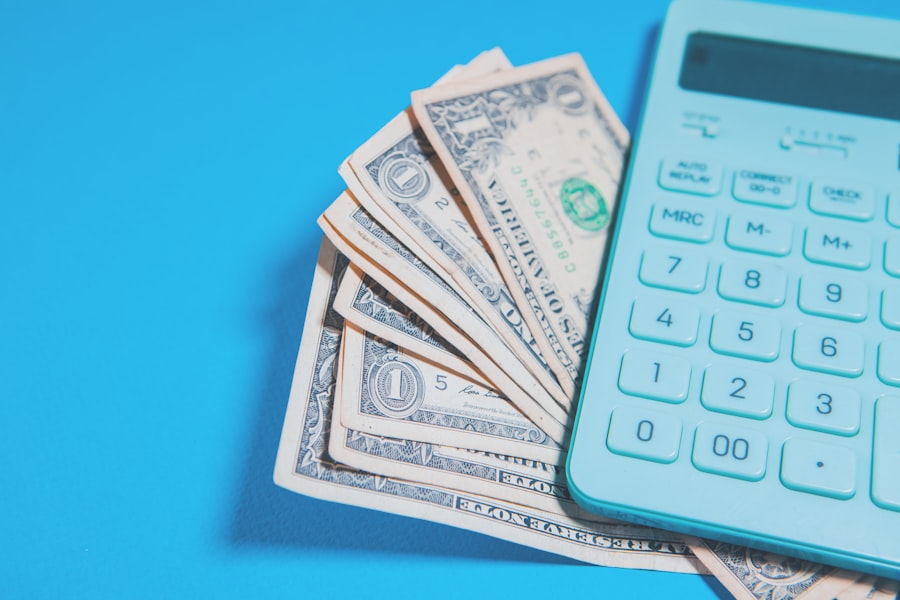
From the vantage point of retailers and service providers, BNPL is more than just another payment option; it’s a powerful sales driver and a key differentiator in a competitive market.
Increased Conversion Rates
Merchants consistently report higher conversion rates when BNPL is offered at checkout. The “frictionless” nature of the transaction and the psychological appeal of installment payments play a significant role.
- Reduced Cart Abandonment: For us, the prospect of immediate payment can be a major hurdle. BNPL mitigates this, reducing the likelihood of us abandoning our shopping carts.
- Enhanced Customer Experience: Offering flexible payment options is perceived as a positive customer service, improving our overall shopping experience and fostering loyalty.
Higher Average Order Value (AOV)
As we’ve touched upon, BNPL often leads to us spending more. When the immediate cost isn’t a barrier, we are more inclined to add extra items or opt for a premium version of a product.
- Upselling Opportunities: Retailers can more effectively upsell and cross-sell when customers feel the financial burden is distributed over time.
- Mitigation of Price Sensitivity: For us, the mental accounting of our finances changes. A £200 item split into four £50 payments feels less daunting than a single £200 outlay.
Attracting New Customer Segments
BNPL has proven particularly effective in reaching demographics that may be credit-averse or have limited access to traditional credit. This broadens the merchant’s potential customer base.
- Younger Demographics: Millennials and Generation Z, often wary of credit card debt, are drawn to the perceived transparency and simplicity of BNPL. We, as members of these generations, appreciate the clear payment schedules.
- Underbanked Populations: In some regions, BNPL can serve as an alternative financial instrument for individuals with thin credit files or limited access to traditional banking services.
Join our supportive Facebook Group to connect with like-minded investors and share insights.
The Consumer’s Dilemma: Convenience Versus Caution
While the benefits of BNPL are undeniable, it’s crucial for us, as consumers, to approach this financial tool with a degree of caution. Like any financial product, it carries inherent risks if not managed responsibly.
The Allure of Instant Gratification
The immediate access to goods without immediate full payment is a powerful psychological trigger. This instant gratification can sometimes lead to impulse purchases or spending beyond our means.
- Overspending Temptation: The ease of repeated BNPL transactions can create a ‘shopping spree’ mentality, where we accumulate multiple commitments without fully realizing the collective burden.
- Blurred Lines of Affordability: The breakdown of payments can obscure the true value of the purchase, making us less discerning about whether we genuinely need or can afford an item. It’s like slicing a large cake into smaller pieces; each piece seems manageable, but we still consume the entire cake.
The Trap of Missed Payments and Fees
Although often advertised as “interest-free,” BNPL loans are not without potential costs. Missed payments invariably trigger late fees, which can quickly erode the initial benefit.
- Accumulation of Debt: For us, managing multiple BNPL loans simultaneously can be complex. Missing payments on one can lead to a cascade of fees across others, creating a spiral of debt.
- Impact on Credit Scores: While some BNPL providers initially avoid hard credit checks, repeated missed payments are increasingly being reported to credit bureaus, potentially damaging our credit scores. This can affect our ability to secure future loans or mortgages.
Data Privacy and Security Concerns
As with any digital financial service, our data privacy and security are paramount. BNPL platforms collect significant amounts of personal and financial information.
- Risk of Data Breaches: The more platforms we use, the greater the aggregate risk of our data being compromised in a breach.
- Targeted Advertising: Our purchasing habits and financial behavior on BNPL platforms are highly valuable data points, which can be used for increasingly targeted advertising, influencing our future spending.
As the popularity of Buy Now Pay Later (BNPL) loans continues to rise, it’s essential to consider the broader implications of this trend on consumer behavior and financial health. A related article discusses strategies for businesses to leverage smart financing for growth, which can provide valuable insights for companies looking to adapt to changing consumer preferences. You can read more about these strategies in the article on mastering business growth. Understanding these dynamics can help both consumers and businesses navigate the evolving landscape of everyday purchases.
The Regulatory Horizon and Future Outlook
Metric
Value
Trend
Implication
BNPL Market Size (2023)
120 billion
+25% YoY
Rapid growth indicates increasing consumer adoption
Average BNPL Loan Amount
150
Stable
Consistent use for everyday purchases
Percentage of Millennials Using BNPL
45%
+10% YoY
High adoption among younger consumers
Default Rate on BNPL Loans
3.5%
Increasing
Potential risk for lenders and consumers
Top Categories for BNPL Purchases
Electronics, Fashion, Groceries
Shifting towards essentials
BNPL becoming part of daily spending habits
Average Repayment Period
3 months
Decreasing
Consumers prefer shorter-term credit
Merchant Adoption Rate
60%
+15% YoY
More retailers integrating BNPL options
The rapid expansion of BNPL has naturally drawn the attention of regulators worldwide. As consumers, we should be aware that the regulatory landscape is still forming, aiming to strike a balance between innovation and consumer protection.
Calls for Greater Oversight
Governments and financial bodies are increasingly scrutinizing BNPL, recognizing the need to protect consumers from potential pitfalls and ensure fair practices.
- Consumer Protection: Concerns revolve around the lack of affordability checks, the potential for predatory lending, and the transparency of fees. We, as consumers, need clearer terms and conditions.
- Leveling the Playing Field: Regulators are also keen to ensure that BNPL providers operate under similar consumer protection rules as traditional credit providers, preventing an unfair advantage or regulatory arbitrage.
Impact on Traditional Financial Institutions
The rise of BNPL has undoubtedly sent ripples through the traditional financial sector. Banks and credit card companies are watching keenly, and many are already responding.
- Competitive Pressure: BNPL offers a direct alternative to credit cards for many everyday purchases, putting competitive pressure on traditional lenders to innovate or lose market share.
- New Offerings: Some traditional banks are launching their own installment payment solutions, blurring the lines between BNPL and conventional credit. We are seeing banks offering “pay in installments” options directly on our debit or credit cards.
The Future Trajectory of BNPL
The trajectory of BNPL suggests continued growth, driven by technological advancements and evolving consumer preferences. Yet, this growth will likely be tempered by increasing regulation and a maturing market.
- Integration with Super Apps: We anticipate deeper integration of BNPL into broader “super apps” that encompass various aspects of our digital lives, from social media to banking.
- Global Expansion: While already global, BNPL is poised for further expansion into emerging markets, where it can address unique financial inclusion challenges.
- Shift Towards Responsible Lending: As the market matures and regulatory pressures intensify, we expect BNPL providers to adopt more robust affordability checks and clearer communication regarding terms and consequences. This will be a positive step for us, the consumers.
In conclusion, the rise of BNPL loans is a complex phenomenon, a double-edged sword offering immense convenience and flexibility while simultaneously harboring risks. As we navigate this evolving financial landscape, our collective responsibility is to empower ourselves with knowledge, exercise prudence in our spending, and advocate for responsible practices from both providers and regulators. BNPL is not merely a payment method; it is a reflection of our changing relationship with money and consumption, a relationship we must endeavor to keep healthy and sustainable.
FAQs
What are BNPL loans?
BNPL stands for “Buy Now, Pay Later.” These loans allow consumers to purchase items immediately and pay for them over time in installments, often without interest if paid within a specified period.
How popular are BNPL loans for everyday purchases?
BNPL loans have grown significantly in popularity for everyday purchases, especially among younger consumers. They are commonly used for items like clothing, electronics, and groceries due to their convenience and flexible payment options.
What are the typical terms of BNPL loans?
BNPL loans usually offer short-term repayment plans, ranging from a few weeks to several months. Many providers offer interest-free periods, but late payments can result in fees or interest charges.
What are the potential risks of using BNPL loans?
While BNPL loans can help manage cash flow, they may encourage overspending and lead to debt accumulation if payments are missed. Additionally, some providers may charge late fees or report missed payments to credit bureaus, affecting credit scores.
How are BNPL loans impacting traditional credit markets?
BNPL loans are disrupting traditional credit markets by offering an alternative to credit cards and personal loans. They are influencing consumer behavior and prompting financial institutions to adapt by integrating similar flexible payment options.