Why Energy Costs Are a Hidden Risk Factor
Closer Capitalist·May 24, 2026·Markets & the Economy
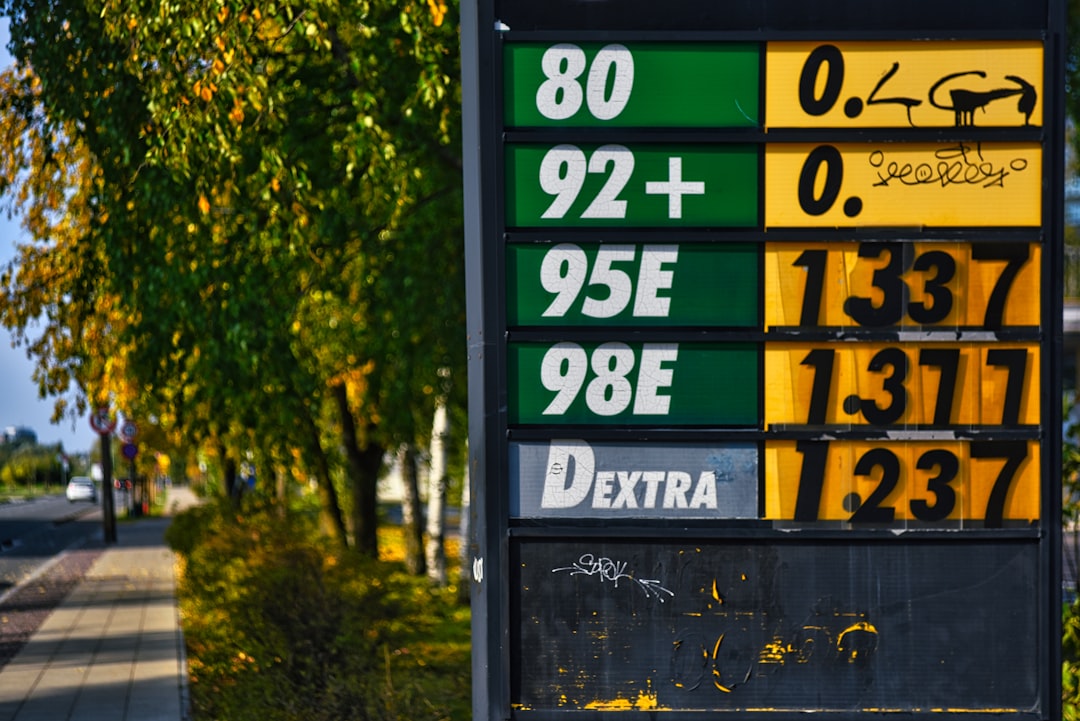
We’ve all been there, right? You’re looking at your bills, trying to keep everything afloat, and then BAM! That energy bill lands, and it’s higher than you expected. Makes you rethink your whole budget, doesn’t it? But what if I told you that’s just the tip of the iceberg? What if those energy costs, the ones you see on your bill, are actually hiding a much bigger risk to our livelihoods, our businesses, and even the financial stability of entire communities? We need to talk about this. We need to get real. Because what we’re seeing with energy prices right now? It’s not just an inconvenience; it’s a full-blown hidden risk factor, and it’s impacting us all more than we might realize.
Let’s cut to the chase. The numbers don’t lie. We’re seeing electricity prices climb like a wildfire across the U.S. From 2019 to today, we’ve watched those average retail electricity prices tick up, and not just by a little. We’re talking more than 5% year over year increases on average. That’s a steady, relentless creep that gnaws at our wallets.
The Subtle Squeeze on Everyday Life
Think about it. For families, every dollar that goes towards a higher energy bill is a dollar that can’t go towards groceries, or that kid’s soccer practice, or saving for a rainy day. It’s not just about turning the lights off; it’s about the fundamental ability to live comfortably and affordably. These aren’t abstract economic theories; these are real families, real budgets, feeling the pinch.
The Unseen Burden on Small Businesses
And don’t even get us started on small businesses. These are the engines of our communities, the places that employ our neighbors. When their energy costs spike, it’s not just a line item; it’s a direct hit to their bottom line. They have to make tough choices: absorb the cost and risk shrinking profit margins, or pass it on to consumers, which then circles back to our expenses. It’s a vicious cycle, and it’s hurting the backbone of our economy.
Operational Overheads and the Profit Margin Erosion
When those energy bills climb, a business owner has to adapt. They might try to cut back on staff, reduce hours, or even delay investments in new equipment or expansions. All of these actions have ripple effects, not just for the business itself, but for the jobs it provides and the services it offers. The operating expenses become a constant headache, a variable cost that’s impossible to pin down, and it slowly erodes the profit margin they worked so hard to build.
In exploring the various factors that can impact a business’s financial health, it’s essential to consider not only visible expenses but also hidden risks such as energy costs. A related article that delves into enhancing sales strategies while managing financial risks is “Boost Sales with Business Credit: A Guide for Sales Pros.” This piece offers valuable insights on how to leverage business credit effectively, which can help mitigate the financial strain caused by fluctuating energy prices. For more information, you can read the article here: Boost Sales with Business Credit: A Guide for Sales Pros.
Natural Gas: The Volatile Beast We Can’t Tame
We’ve been talking a lot about energy prices, but we need to zero in on a major culprit: natural gas. This stuff is notoriously volatile, and its price swings are directly impacting our electricity bills. States that lean heavily on natural gas for power generation are feeling these fluctuations like a punch to the gut.
The Domino Effect of Fuel Market Swings
When the price of natural gas goes up, our electricity bills go up. It’s a direct correlation. We’ve seen this play out time and time again. A blip in the global market, a supply chain issue, or even just increased demand for heating in the winter - all of these can send natural gas prices soaring, and we, the consumers, are left holding the bag with higher power costs. It’s a system that feels increasingly out of our control.
Predicting the Unpredictable: A Constant Challenge
For utilities and energy providers, this volatility makes planning incredibly difficult. They have to make decisions about fuel procurement months, even years, in advance. When natural gas prices are unpredictable, it becomes a guessing game, one that can lead to them either overpaying for fuel or facing shortages, both of which ultimately impact our rates. This lack of stability creates a constant undercurrent of risk.
The Wildfire Tax: A Hidden Cost in the West
Now, let’s talk about a risk that’s becoming all too familiar, especially for our friends out West: wildfire costs. You might think a wildfire is a natural disaster, something beyond anyone’s control, and to a degree, it is. But the aftermath, the prevention, and the recovery efforts are having a direct and significant impact on our energy bills.
From Mitigation to Recovery: The Escalating Expenditure
Utilities in states like California are facing enormous bills. They are spending fortunes on wildfire mitigation - think clearing brush, burying power lines, and upgrading equipment to be more resilient. Then there’s the aftermath of fires, the damage to infrastructure, the rebuilding efforts. All of these costs, believe it or not, are being rolled into our electricity rates. It’s like we’re paying a “wildfire tax” that’s added directly to our monthly bills.
Infrastructure Hardening: An Expensive Necessity
In an effort to prevent future fires and reduce the risk of their equipment sparking them, utilities are investing in what they call “infrastructure hardening.” This means replacing old wooden poles with steel, burying lines underground in high-risk areas, and implementing more sophisticated monitoring systems. These are necessary steps, no doubt, but they are incredibly expensive, and guess who ultimately foots the bill? You and me.
Policy Choices: The Unseen Hand on the Ledger
We often think of energy costs as being driven by supply and demand, or market forces. But the reality is, policy choices made by governments and regulators play a massive role, and sometimes, these choices are actually increasing our costs and creating hidden risks.
The Price of Keeping Old Plants Alive
You might not realize it, but in some cases, policy decisions are keeping aging, uneconomic coal plants running longer than they should. Instead of closing them down and investing in more efficient, modern energy sources, these decisions can lead to higher costs for ratepayers. It’s like choosing to keep an old, gas-guzzling car on the road when a new, fuel-efficient model is available. The fuel costs, the maintenance - it all adds up, and that burden falls on us.
Tariffs and Trade Wars: A Ripple Effect on Energy
Then there are tariffs and trade policies. When governments impose tariffs on imported energy products or the materials needed to build energy infrastructure, it can drive up costs. This creates uncertainty for investors and can lead to delays in new, potentially cheaper, power projects coming online. Ultimately, these policy-driven disruptions can translate into higher energy prices for everyone.
Understanding the implications of energy costs is crucial for businesses, as highlighted in the article on why energy costs are a hidden risk factor. This topic is further explored in a related piece that discusses the role of angel investors in fostering growth and innovation. By examining how financial support can help mitigate risks associated with fluctuating energy prices, companies can better position themselves for success. For more insights, you can read the article on unlocking growth through angel investors.
Clean Energy: Not the Boogeyman of Price Hikes
Factors
Impact
Volatility in energy prices
Can lead to unpredictable costs for businesses
Dependency on fossil fuels
Exposure to geopolitical risks and environmental regulations
Energy efficiency
Directly affects operational costs and competitiveness
Renewable energy adoption
Can mitigate risks and provide long-term cost stability
Let’s clear up a common misconception. There’s this narrative out there that clean energy is the reason our bills are going up. We’re here to tell you, the data simply doesn’t support that. In fact, the opposite is often true.
The Lower Cost of Sustainable Power
When we look at states that have invested heavily in wind and solar power, we often see lower rate increases, not higher. These renewable sources, once built, have very low operating costs, essentially free fuel. The upfront investment can be significant, but the long-term savings are undeniable. It’s the reliance on volatile fossil fuels, the costs associated with wildfires, and our aging grid infrastructure that are the real drivers of price spikes.
Modernizing the Grid: A Foundation for Stability
We need to invest in our grid infrastructure. A modernized grid is more efficient, more reliable, and better equipped to handle the integration of renewable energy sources. When we have an aging, outdated grid, it’s like trying to run a modern business on a dial-up modem. Inefficiencies creep in, upgrades are more costly, and the overall system is more prone to failure. Investing in a smart, modern grid can actually reduce long-term costs and increase stability.
Understanding the implications of energy costs is crucial for businesses, as they can significantly impact overall financial health. A related article discusses how businesses can leverage flexible funding solutions to navigate these hidden risks effectively. By exploring options such as business lines of credit, companies can ensure they have the necessary resources to manage unexpected fluctuations in energy expenses. For more insights on this topic, you can read the article on flexible funding for growth and stability here.
The Broader Economic Fallout of Energy Price Volatility
We’ve talked about the direct hit to our individual bills, but the impact of high and volatile energy costs goes much, much deeper. It’s creating broader economic risks that we can’t afford to ignore.
Inflation’s Insidious Grip
When energy prices spike, it’s like pouring fuel on the fire of inflation. Energy is a fundamental input for almost every sector of the economy. Higher transportation costs, higher manufacturing costs, higher costs for goods and services - all of these are directly influenced by energy prices. Sustained energy price hikes can feed into a cycle of inflation that erodes purchasing power and makes everything more expensive.
Consumer Stress and the Shrinking Pie
For households, persistent energy price hikes mean less discretionary spending. This isn’t just about cutting back on entertainment; it’s about tough choices regarding basic needs. This increased consumer stress can dampen overall economic activity, as people focus on survival rather than growth and investment.
The True Cost: Beyond the Bill
Now, let’s get to the heart of the matter: the real cost of energy. We see a number on our bill, and we pay it. But that number often doesn’t reflect the full story. There are “hidden costs” that are never accounted for on our monthly statements.
The Unseen Health and Environmental Toll
Our energy production and consumption create pollution. They contribute to climate change. They have direct impacts on public health, leading to respiratory illnesses and other medical conditions. Research from institutions like the National Academies has shown that market energy prices often exclude these significant pollution and health harms. This means the real cost of the energy we use is actually higher than the bill suggests. We’re paying for it, just not directly on that piece of paper.
Externalities: The Price We Don’t See
These excluded costs are known as “externalities.” When a power plant pollutes the air, that pollution doesn’t just disappear. It affects the air we breathe, the water we drink, and the health of our communities. These are real costs, imposed on society as a whole, but they are not reflected in the price of the energy that caused them. This lack of transparency in pricing creates a hidden risk, allowing us to underestimate the true impact of our energy choices and perpetuating systems that are ultimately unsustainable. We need to start factoring these real, hidden costs into our decision-making, or we’ll continue to pay for them in ways we can’t always quantify, but we definitely feel.
FAQs
What are hidden energy costs?
Hidden energy costs refer to the indirect expenses associated with energy usage, such as maintenance, repairs, and productivity losses, that are not typically included in the direct cost of energy consumption.
How do hidden energy costs pose a risk to businesses?
Hidden energy costs can pose a risk to businesses by impacting their bottom line and overall profitability. These costs can lead to unexpected financial burdens and reduce the competitiveness of a business in the market.
What are some examples of hidden energy costs?
Examples of hidden energy costs include inefficient equipment leading to higher maintenance and repair expenses, productivity losses due to uncomfortable working environments, and regulatory compliance costs related to energy usage.
How can businesses mitigate hidden energy costs?
Businesses can mitigate hidden energy costs by investing in energy-efficient technologies, conducting regular energy audits, implementing energy management systems, and educating employees on energy conservation practices.
What are the benefits of addressing hidden energy costs?
Addressing hidden energy costs can lead to improved operational efficiency, reduced environmental impact, enhanced corporate social responsibility, and increased competitiveness in the market.