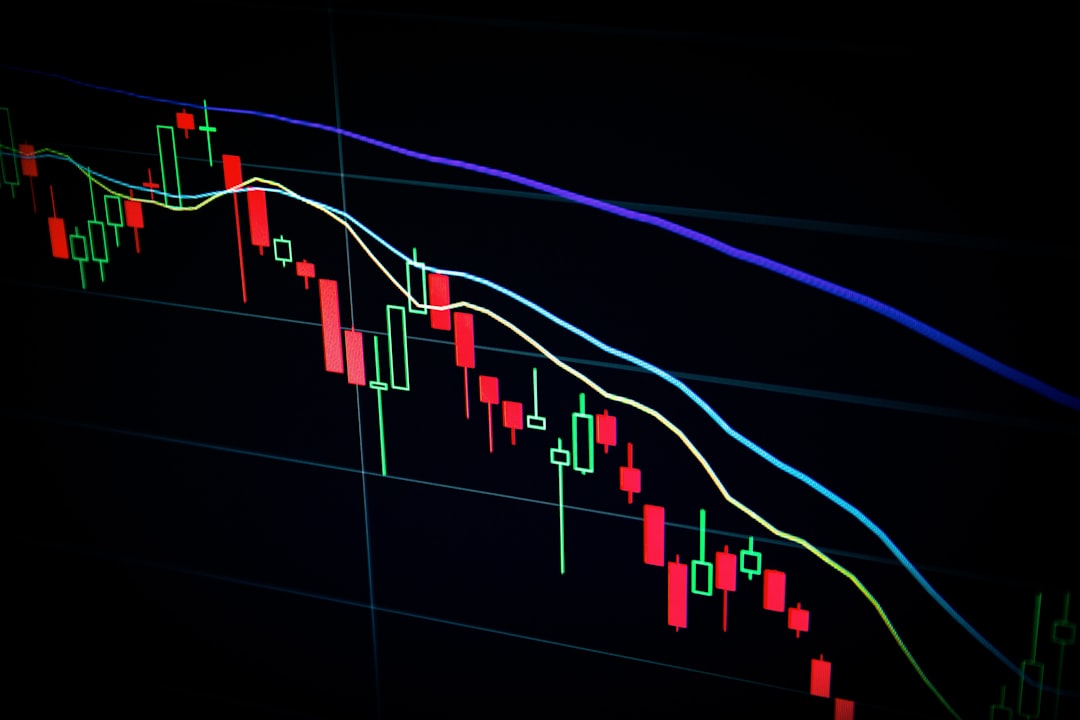
What Rising Oil Costs Mean for Profit Margins
Closer Capitalist·May 21, 2026·Markets & the Economy
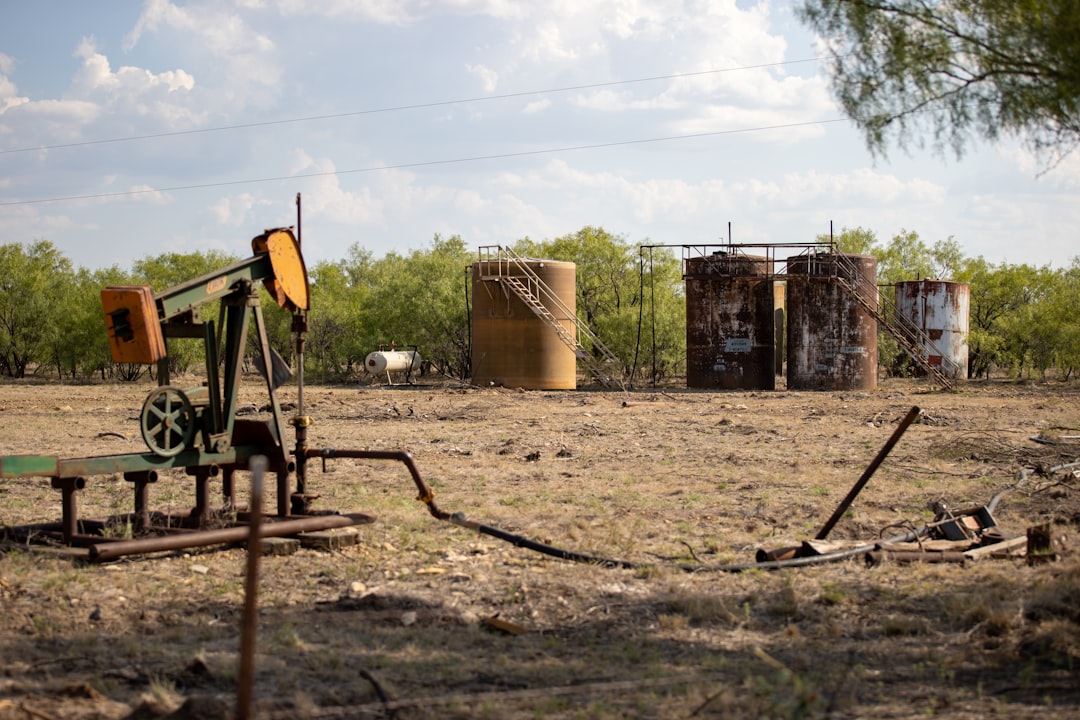
Alright, let’s dive into this. We’re talking about money, the real stuff that makes the world go ’round, and how this whole oil price surge is messing with everybody’s bottom line. It ain’t just about the gas pump, folks; this ripple effect is hitting us all, whether we like it or not. We gotta understand what’s going on, so we can make smart moves.
This is where it all starts, right at the source. We’re talking about the companies that are out there drilling, exploring, and pulling that crude oil out of the ground. When the price of oil goes up, and it’s gone up, it’s like a shot in the arm for these guys. Think about it: they’re selling their product for more money. It’s not rocket science, but it is damn good for their balance sheets.
Producers Rejoice (Mostly)
When the ticker for West Texas Intermediate or Brent Crude climbs, the folks at the drilling rigs and the big exploration outfits are looking pretty smug. Every barrel they pull out is worth more. This isn’t just a slight uptick; it can mean a significant boost to their earnings. We’re talking about margins that widen, allowing them to reinvest, expand their operations, or simply distribute more profits to their shareholders. It’s a positive feedback loop for the upstream sector. If you’re involved in extraction, exploration, or the initial sale of crude, you’re generally in a good spot when prices are heading north.
The Impact of Exploration Costs
Now, it’s not like they’re just printing money. There are huge upfront costs. When oil prices are low, exploration can take a backseat. But when they rise, suddenly those risky, expensive projects become viable. They can justify spending more on finding new reserves, on drilling deeper, on using more advanced technology. This investment can pay off handsomely down the line, further solidifying their profit potential. So, while the immediate revenue per barrel is higher, the increased investment in future production also contributes to a stronger overall financial position.
Hedging Their Bets
Many of these companies use sophisticated hedging strategies to lock in prices and protect themselves from volatility. When prices rise unexpectedly, these hedges might not always capture the full upside. However, the underlying economics of the rising market still favor them heavily. Even with hedges in place, the fact that the market price is high means that when those hedges expire or are re-evaluated, they’ll be doing so at a much more favorable level. It’s about managing risk, but also about riding the wave when it’s going the right way.
In light of the recent fluctuations in oil prices, it is essential to understand the broader implications for various industries, particularly regarding profit margins. A related article that delves deeper into this topic can be found at Closer Capital Reviews, where it explores how rising oil costs can impact operational expenses and overall financial performance for businesses. This analysis provides valuable insights for companies looking to navigate the challenges posed by increasing fuel prices.
Refining the Picture: From Crude to Consumer
Once that crude oil is out of the ground, it’s got a journey to make. It heads to the refineries, where it’s transformed into the gasoline, diesel, and jet fuel that powers our lives. This stage is a bit more complex because refiners are caught between the cost of their raw material (crude oil) and the price they can get for their finished products. But as we’ve seen, when crude prices climb, product prices often climb even faster.
Crack Spreads: The Refiner’s Sweet Spot
This is where the term “crack spread” becomes important. It’s essentially the difference between the cost of crude oil and the selling price of refined products like gasoline. When crude prices are surging, but the price of gasoline and other fuels lag slightly behind or rise proportionally more, those crack spreads widen. This is pure gravy for refiners. They’re buying their feedstock (crude) at a certain price, but they’re able to sell their end product for significantly more. This isn’t some theoretical accounting trick; it’s translating directly into better profit margins for them.
Supply Woes Fueling Margins
There’s a lot of discussion about why these margins are improving. Part of it is simple economics: when there’s less refining capacity available globally - due to shutdowns, maintenance, or simply a lack of new builds - and demand for fuel remains strong or even increases, the existing refineries can operate at higher utilization rates and command higher prices for their products. We’ve seen a lot of refinery closures over the years, and now, with global supply chains a bit more precarious, those remaining facilities are golden. Lower inventories of refined products also play a huge role, creating a sense of urgency and driving up prices.
The Global Shuffle
The international market is a key player here. Disruptions in supply from certain regions, geopolitical tensions, or even just logistical challenges can create localized shortages. These shortages can have a domino effect, pushing up prices not just in one country but across multiple markets. Refiners and traders who can navigate these complex global flows and secure supply are finding themselves in a very advantageous position. They’re able to move product where it’s needed most and profit from the imbalances.
Retailers: Caught in the Middle?
Now, let’s be clear. The folks pumping gas at the corner station aren’t necessarily raking in the dough because oil prices are high. Industry groups, like the AFPM and NACS, are pretty vocal about this. They’ll tell you that the price you see at the pump is overwhelmingly dictated by the cost of crude oil itself and the dynamics of supply and demand for fuel. It’s not like the gas station owner is suddenly able to charge whatever they want and pocket the difference.
The Cost of Doing Business at the Pump
For retailers, their margins are often fairly fixed. They operate on a cent-per-gallon basis. So, while the price of gas goes up, their profit per gallon might remain relatively stable. In fact, higher prices can sometimes lead to lower sales volumes as consumers try to cut back on driving. So, while the big players upstream and in refining might be seeing a boom, the local gas station owner is often just trying to keep their head above water. They’re dealing with the immediate shock of higher invoice costs for their product and the potential for reduced customer traffic.
Not a Windfall for the Corner Store
It’s crucial to separate the actions of major players in the oil and gas industry from the small businesses that are simply trying to serve their communities. The narrative that gas station owners are artificially inflating prices for massive profits during these times is, for the most part, a misrepresentation. Their business model doesn’t typically allow for that kind of opportunistic pricing. They are subject to competitive pressures and the very real costs their suppliers pass on.
The Ripple Effect: Squeezing Other Industries
This ain’t just about oil and gas. When energy costs go up, everyone feels it. It’s like a tightening of the belt for a lot of businesses that rely on transportation, manufacturing, or simply have consumers opening their wallets.
Shipping and Logistics: The Engine of Commerce
Think about shipping containers crossing the oceans, trucks hauling goods across the country, or planes in the air. All of this relies heavily on fuel. When fuel prices skyrocket, the cost of moving anything goes up. For shipping companies, this means higher operating expenses. They have to either absorb these costs, which eats into their profit margins, or they pass them on to their customers.
Fuel Surcharges: The Unavoidable Truth
In the world of logistics, fuel surcharges are a common mechanism to deal with fluctuating energy prices. When oil goes up, these surcharges go up. This means that the price of everything we buy - from your new electronics to the food you eat - becomes more expensive because it costs more to get it to you. It’s a direct transfer of cost from the consumer to the end product, but the companies facilitating that transfer are often facing their own margin pressures if they can’t pass on every single penny.
Inventory Management Becomes Critical
With high fuel costs, businesses become very sensitive to how much inventory they need to hold and how quickly they can move it. Carrying excess inventory can become a liability due to storage costs and potential spoilage, but also due to the increased cost of replacing that inventory if prices continue to climb. Efficient supply chain management becomes even more paramount, and companies that are slow to adapt will see their margins shrink.
Manufacturing: The Energy-Intensive Grind
Many manufacturing processes are incredibly energy-intensive. Factories use electricity, natural gas, and sometimes even direct oil products to run their machinery. When the cost of these energy sources spikes, so does the cost of production. Again, companies have a choice: absorb the cost or pass it on.
Passing on the Pain: The Consumer Pays
Larger manufacturers with strong brands might be able to pass on a greater portion of these increased costs to consumers without a significant drop in demand. They might introduce price increases or slightly reduce the size or features of their products (shrinkflation). However, smaller manufacturers or those in highly competitive markets might find it impossible to raise their prices enough, forcing them to accept thinner profit margins. This can lead to layoffs, reduced investment in innovation, and sometimes even business closures.
Innovation for Efficiency
The flip side of this pressure is that it can drive innovation. Companies are forced to look for more energy-efficient machinery, alternative power sources, or more streamlined production methods to reduce their reliance on expensive energy. While this can be a positive long-term development, it requires significant capital investment, which can be a challenge when profit margins are already being squeezed.
Hidden Factors: Beyond the Headlines
It’s not always as straightforward as “oil price up, profit up.” There are nuances, accounting practices, and market dynamics that can make the picture more complicated.
The Accounting Art: Hedge Effects and Timing
We’ve all seen the press releases. Sometimes, a company’s earnings report might show a dip in profit, even when oil prices are rising. This can be confusing. A significant factor here can be hedge accounting. Oil companies often use financial instruments to hedge against price fluctuations. When markets move favorably, these hedges might work to smooth out earnings rather than allowing them to capture the full, immediate upside. Moreover, the timing of these hedges and the way they are accounted for can create temporary “paper” declines in earnings, even if the underlying business is performing well. It’s a way to present a more stable financial picture over time, but it can mask the immediate impact of market movements.
Understanding the Nuances of Reporting
It’s essential for investors and observers to look beyond just the headline profit numbers. Understanding a company’s hedging strategies, their accounting policies, and the timing of their financial reporting is crucial to getting a true sense of their performance. A reported decline in profit in one quarter due to accounting effects doesn’t necessarily mean their core business is suffering, especially if the market conditions are generally favorable for their products.
The Long Game of Hedging
Hedging is a long-term strategy. It’s designed to protect companies from the downside volatility of oil prices. While it might mean they don’t always see the full benefit of a price surge in the immediate quarter, it also means they are protected when prices tumble. So, these accounting effects are often a reflection of a broader risk management strategy rather than a direct indicator of underperformance in a rising market.
As businesses navigate the challenges posed by rising oil costs, understanding the implications for profit margins becomes crucial. Companies across various sectors are feeling the pinch, and many are exploring innovative strategies to mitigate these effects. For instance, leveraging other people’s money (OPM) can be a viable approach to maintain financial stability and growth during turbulent times. To learn more about how OPM can be utilized for wealth growth, you can read this insightful article on the topic here.
The Consumer’s Perspective: Wallet Woes
Metrics
Impact
Cost of Goods Sold
Increases due to higher oil prices
Profit Margins
Decrease as a result of higher production costs
Consumer Prices
May rise as companies pass on increased costs
Competitive Position
May be weakened if unable to absorb higher costs
Ultimately, all of this trickles down to us, the end consumers. When oil prices rise, our wallets take a hit, and our purchasing power diminishes.
Gasoline Prices: The Obvious Bite
The most visible impact is at the gas pump. Higher crude oil costs directly translate to higher gasoline prices. This isn’t just an inconvenience; for many households, fuel costs are a significant portion of their monthly budget. When those costs increase, there’s less money available for other discretionary spending.
Beyond the Pump: Inflationary Pressures
But the impact doesn’t stop at the gas station. As we discussed, the increased costs for shipping, manufacturing, and transportation translate into higher prices for almost everything we buy. Groceries, clothing, electronics, services - all are affected by the rising cost of energy. This creates a broader inflationary environment, where the cost of living goes up across the board.
The Trade-Off: Cutting Back or Taking a Hit
Consumers are forced to make difficult choices. They might cut back on non-essential purchases, reduce travel, or delay significant purchases. For those on fixed incomes or in lower-paying jobs, these rising costs can be devastating. They are essentially taking a hit to their real income, as the money they earn doesn’t go as far as it used to.
The “Profit Decline” Misconception
It’s important to reiterate that often, when we hear about “profit declines” from oil companies during periods of high oil prices, it’s not because they are suddenly becoming unprofitable. It often relates to those accounting complexities we talked about, or it might be a comparison to an exceptionally strong prior period. The underlying economics for many in the upstream and refining sectors are generally positive when crude prices are high. The challenge is for those further down the value chain and for the everyday consumer.
We gotta stay informed about what’s really going on. It’s a complex game, with winners and losers, and understanding those dynamics is key to navigating these turbulent times. This ain’t just about numbers on a screen; it’s about how we live, how we do business, and the cost of everything that makes our lives function.
FAQs
What are the factors contributing to rising oil costs?
Rising oil costs can be attributed to a variety of factors, including geopolitical tensions, supply and demand dynamics, production cuts by major oil-producing countries, and fluctuations in the value of the US dollar.
How do rising oil costs impact profit margins?
Rising oil costs can lead to increased expenses for businesses, particularly those that rely heavily on oil for production, transportation, or energy. This can result in higher operating costs and reduced profit margins for companies across various industries.
Which industries are most affected by rising oil costs?
Industries that are heavily reliant on oil, such as transportation, manufacturing, and energy production, are particularly vulnerable to the impact of rising oil costs. Airlines, shipping companies, and manufacturers of petroleum-based products are among those most affected.
What strategies can businesses employ to mitigate the impact of rising oil costs?
Businesses can implement various strategies to offset the impact of rising oil costs, including hedging against price fluctuations, investing in energy-efficient technologies, diversifying their energy sources, and renegotiating contracts with suppliers.
How do consumers feel the effects of rising oil costs?
Rising oil costs can lead to higher prices for consumer goods and services, particularly those that involve transportation or energy usage. This can result in increased expenses for households and reduced purchasing power for consumers.