
What Oil Price Swings Mean for Delivery and Logistics
Closer Capitalist·May 6, 2026·Markets & the Economy

Alright, listen up, because we’re about to lay down some cold, hard truth about what these crazy oil price swings mean for our businesses, our deliveries, and our entire logistics operation. We’re not talking theory here; we’re talking real-world impacts that hit your bottom line like a sledgehammer. And trust me, nobody knows about getting hit hard and still coming out on top better than us.
We’ve all seen it. One day, oil’s humming along, the next, it’s soaring past $100 a barrel. And what’s driving this latest insanity? That whole US-Israel-Iran mess, escalating faster than a newbie’s credit card debt. When geopolitical tensions flare, energy prices skyrocket, and for us, the B2B ecommerce players, that’s not just a headline - it’s a direct hit to our profit margins. Every single time that barrel goes up, our freight costs and diesel expenses follow, and they don’t just follow, they sprint right past them.
Parcel Surcharges: The Silent Killer of “Free Shipping”
Remember when we used to talk about “free shipping” as a competitive edge? Ha! That’s officially a relic from a bygone era. We’re seeing double-digit percentage hikes on parcel surcharges. Think about that for a second. We meticulously negotiate our shipping rates, we optimize our packaging, and then BAM! A surcharge hits us that effectively erases all those gains. It’s like we’re running a race, and just as we’re about to cross the finish line, someone moves it a hundred yards further with an extra weight vest.
The Customer’s Burden: Who Pays for the “Free”?
Ultimately, these surcharges don’t just disappear into thin air. We’ve got two choices: absorb them and watch our profits erode faster than a sandcastle in a tsunami, or pass them on. And when we pass them on, our customers feel it. That means we have to strategically adjust our pricing, maybe raise those “free shipping” thresholds, essentially asking our customers to buy more to get the same perceived value. It’s a delicate dance, and one wrong step can send them straight to our competitors.
Truckload Rates: Highway Robbery in Broad Daylight
It’s not just the small packages taking a hit. When oil surges, we’re talking about hundreds of dollars extra per truckload. For businesses moving substantial inventory, this isn’t pocket change; it’s a significant operational cost that can cripple profit margins if not addressed swiftly. We’re talking about the backbone of our logistics here, the heavy hitters, and they’re getting hammered.
The Domino Effect: From Fuel to Freight to Finished Goods
Think about the sheer volume of goods moved by truck every single day. When the fuel cost for just one of those trucks jumps by a couple hundred bucks, that impact ripples through the entire supply chain. It’s like a domino effect, starting with the trucker, then hitting the carrier, then us, then ultimately, the end consumer. We see it in inflated cross-border shipping costs, and eventually, in higher prices for just about everything. It’s not just a little bump; it’s a structural shift that demands we rethink our entire pricing model.
Understanding the implications of fluctuating oil prices is crucial for the delivery and logistics sector, as these swings can significantly impact operational costs and efficiency. For a deeper insight into how strategic decision-making can enhance profitability in challenging economic conditions, you may find the article on mastering high-ticket closing strategies particularly relevant. It offers valuable techniques that can help businesses navigate the complexities of pricing and client relationships in times of volatility. You can read more about it here: Mastering High-Ticket Closing Strategies for Success.
Shifting Gears: The Strategic Imperative to Survive and Thrive
When the fuel costs start biting this hard, we can’t just sit there and take it. We have to be agile, adaptable, and a bit ruthless in our strategic adjustments. We’re seeing a significant shift in how people are moving their goods, and if we’re not on top of it, we’re going to be left behind. This isn’t about minor tweaks; it’s about fundamental changes to our logistics playbook.
From Road to Rail: A Change of Pace, Potentially Not Price
The smart operators, they’re already making the switch. Rising fuel costs are pushing businesses to shift freight from trucks to intermodal and rail. Why? Because historically, it’s been a cost-saver. Less fuel burned per ton-mile, generally. But here’s the kicker - don’t expect the railroads to just sit idly by. They’re watching the same numbers we are, and their rates are going to climb faster than a rocket taking off. We might save a bit on diesel, but we could lose it on the rail freight itself if we’re not careful and proactive in our negotiations.
The Hormuz Wildcard: When Global Issues Hit Our Local Docks
And then there’s the big, looming global threat: the potential closure of the Strait of Hormuz. For us, that’s not some abstract international incident. That means global bunker delays, disruptions to shipping lines, and exponentially higher costs for anything that comes in by sea. It’s a risk we have to factor into every single strategic decision, every single inventory order. Because if that happens, those fuel costs we’re talking about now will look like a picnic in comparison.
Inventory Adjustments: Carrying the Load (or Not)
With these kinds of unpredictable swings, we’re forced to rethink our entire inventory strategy. Do we carry more inventory to buffer against potential future price hikes or supply chain disruptions? Or do we trim down to minimize holding costs when transportation is already so expensive? It’s a delicate balance, and there’s no one-size-fits-all answer.
Just-in-Time Becoming “Just in Case”
The old lean “just-in-time” model, while efficient in stable times, can become a “just-in-case-we-can’t-get-it-at-all” nightmare when global supply lines are under stress. We need to analyze our product mix, our lead times, and our potential for disruption, then make calculated decisions about what stock we need to have on hand. It’s about mitigating risk, not eliminating it entirely - because that’s impossible in this climate.
The Domino Effect on Logistics: Who’s Holding the Bag?

Let’s be real: when fuel costs surge, the carriers aren’t just shrugging their shoulders and absorbing it. They’re passing those increases straight to us, the shippers, and then we’re either absorbing it or passing it on to the end consumer. This isn’t a conspiracy; it’s simple economics. Everyone’s trying to protect their margins.
The Profit Squeeze: When Surcharges Lag Behind Costs
This is where it really gets messy for us. Our 3PL partners, they’re feeling the pinch too. They might be stocking more inventory for their clients (us!), and they’re facing fuel surcharge lags. What’s that mean? It means the cost of diesel goes up today, but the surcharge adjustment doesn’t kick in until next week, or even next month. In that lag period, they’re bleeding money, which ultimately means they’re looking for ways to staunch that bleeding - often at our expense, either directly or indirectly.
Renegotiating for Survival: Every Penny Counts
This forces us into constant renegotiations with our carriers and 3PLs. We’re not just looking for a good deal; we’re looking for a sustainable partnership that can weather these storms. We need to be scrutinizing every invoice, understanding every line item, and pushing back where necessary. Because if we don’t, we’re just leaving money on the table, money that’s desperately needed elsewhere in our business.
Beyond Trucks: Fuel Efficiency as a New Business Mandate
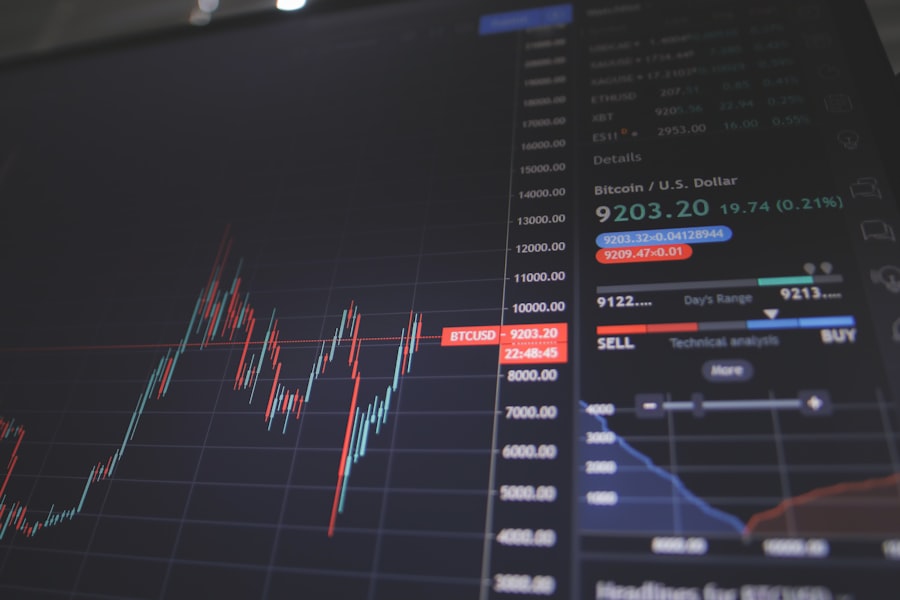
It’s not just about shifting modes; it’s about optimizing every single mile we travel. Fuel efficiency isn’t a nice-to-have anymore; it’s a must-have. Every decision, from vehicle procurement to route planning, needs to have fuel consumption as a top priority.
Optimizing Routes: Smarter, Not Harder
We’re talking about sophisticated route optimization software here. No more guesswork, no more “that looks like the shortest way.” We need dynamic routing that accounts for real-time traffic, delivery windows, and yes, even fuel prices at different depots. Every unnecessary mile is now a direct hit to our profitability.
Vehicle Upgrades: The Upfront Cost for Long-Term Savings
Investing in newer, more fuel-efficient vehicles or even exploring alternative fuel options might seem like a hefty upfront cost. But when diesel is at these levels, that investment pays off faster than ever before. It’s about looking at the long game, not just the quarterly report. We’re talking about a capital expenditure that directly impacts our operational costs for years to come.
Understanding the implications of fluctuating oil prices is crucial for businesses involved in delivery and logistics, as these swings can significantly impact operational costs and efficiency. For a deeper insight into how financial strategies can help navigate these challenges, you might find the article on advanced financial strategies for business owners particularly useful. It explores various approaches that can mitigate the effects of rising costs, ensuring that companies remain competitive even in volatile markets. You can read more about it here.
The Parcel Pricing Perfect Storm: GRIs, Surcharges, and Our Bottom Line
Impact of Oil Price Swings on Delivery and Logistics
Explanation
Fuel Costs
Fluctuating oil prices directly impact fuel costs for delivery vehicles, affecting overall operational expenses.
Transportation Costs
Higher oil prices can lead to increased transportation costs, which may be passed on to customers.
Supply Chain Disruptions
Oil price swings can disrupt supply chains, leading to delays in delivery schedules and inventory management.
Investment in Fuel-efficient Vehicles
Companies may invest in fuel-efficient vehicles to mitigate the impact of oil price volatility.
Consumer Behavior
Changes in oil prices can influence consumer behavior, leading to shifts in demand for delivery services.
Let’s talk parcels specifically, because this is where a lot of us live and breathe. We thought we had a handle on things with the annual General Rate Increases (GRIs). Those are bad enough. But now, layer on those elevated fuel surcharges, and we’re looking at an absolute onslaught.
Ground Parcel Rates: Hitting Record Highs
FreightWaves reported ground parcel rates hitting a staggering 39.3% index high. Let that sink in. Almost 40% higher than… well, higher than what we hoped, certainly. This isn’t just an inconvenience; it could reshape our entire B2B ecommerce strategy. If sending a small package now costs almost 40% more than what we initially budgeted for, our entire pricing model for those smaller, lower-margin items needs a serious overhaul.
The Customer Experience Dilemma: Protecting Profit While Keeping Them Happy
This puts us in a tough spot. We want to provide excellent customer service, competitive pricing, and attractive shipping options. But how do we do that when our basic costs are exploding? We need to clearly communicate these challenges without sounding like we’re making excuses. We need to offer transparent options, perhaps tiered shipping that reflects the true cost, or as mentioned before, higher thresholds for “free” shipping. It’s about educating our customers and bringing them along on this difficult journey, rather than springing hidden costs on them.
Understanding the implications of fluctuating oil prices is crucial for businesses involved in delivery and logistics, as these swings can significantly impact operational costs and efficiency. A related article discusses how utilizing business credit cards can be a smart strategy for managing expenses during such volatile times. By effectively leveraging credit, companies can better navigate the financial challenges posed by rising fuel costs. For more insights on this topic, you can read the article on business credit cards.
Adapting for the Future: It’s Not a Choice, It’s a Commandment
Look, this isn’t going away. Geopolitical tensions are simmering, and the global energy market is going to remain volatile. We can’t just cross our fingers and hope oil prices drop back down to comfortable levels. We have to adapt. We have to be proactive. We have to be relentless in finding efficiencies, negotiating hard, and strategically positioning our businesses to not just survive these crazy oil price swings, but to actually come out stronger on the other side.
This means we’re constantly analyzing our supply chains, building redundancy, exploring new technologies, and fostering strong relationships with our carriers and 3PLs. It means we’re no longer just selling products; we’re selling a resilient supply chain, a stable pricing model, and a commitment to our customers that we’ll navigate these turbulent waters together. We’re not just business owners anymore; we’re supply chain strategists, and everything depends on us getting this right. Now go out there and make it happen.
FAQs
What are oil price swings?
Oil price swings refer to the fluctuation in the price of crude oil in the global market. These swings can be caused by various factors such as supply and demand, geopolitical events, and economic conditions.
How do oil price swings affect delivery and logistics?
Oil price swings can have a significant impact on delivery and logistics operations. Higher oil prices can lead to increased transportation costs, which can affect the overall cost of delivering goods. This can also impact the efficiency and profitability of logistics companies.
What are the potential challenges for delivery and logistics companies during oil price swings?
Delivery and logistics companies may face challenges such as increased fuel costs, which can impact their bottom line. Additionally, fluctuating oil prices can make it difficult to predict and manage transportation expenses, leading to potential budgetary constraints.
How do delivery and logistics companies adapt to oil price swings?
Delivery and logistics companies may adapt to oil price swings by implementing fuel-efficient technologies, optimizing delivery routes, and negotiating fuel surcharges with clients. They may also explore alternative transportation methods and invest in energy-efficient vehicles.
What are the long-term implications of oil price swings on delivery and logistics?
Oil price swings can have long-term implications for delivery and logistics, influencing strategic decision-making and investment in sustainable transportation solutions. Companies may also need to consider the potential impact of oil price volatility on their supply chain and overall business operations.