What Oil Futures Tell You About the Next 90 Days
Closer Capitalist·May 17, 2026·Markets & the Economy

Alright, let’s cut through the noise and get down to brass tacks. We’re looking at the oil futures, not because we’re fortune tellers, but because they’re screaming at us from the battlefield of global economics. And right now, what they’re screaming is loud, clear, and frankly, a bit unsettling. Forget your crystal balls, forget your gut feelings. We’re talking hard data, the kind that moves markets and impacts every single one of our wallets. We’re not here to predict; we’re here to understand the signals. And these signals, for the next 90 days, are flashing red with a bold, aggressive undertone.
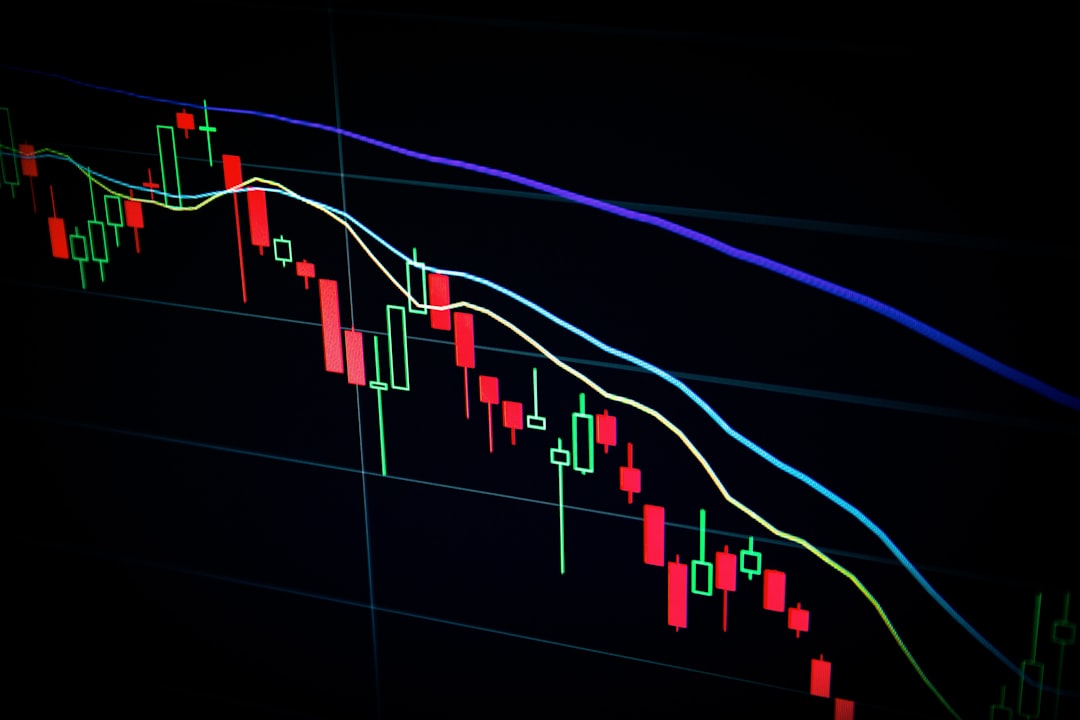
Let’s be honest, we’ve seen WTI crude flirt with triple digits before, but this time, it feels different. We’re staring down the barrel of $103-$106 per barrel, and it’s not because some analyst had a good dream. This isn’t market hype; this is raw, unadulterated fear being priced into every single contract. It’s a surge, a relentless march upwards that tells us one thing: the market believes oil supply is under severe threat. We’re not talking about a casual jog; we’re witnessing a sprint that’s leaving cautious investors in the dust.
The Invisible Hand of the Strait of Hormuz
Now, let’s talk about the elephant in the room - or rather, the massive roadblock in the world’s most critical shipping lane: the Strait of Hormuz. We’ve been watching this situation unfold, and frankly, it’s beyond critical. When we say “effectively closed/blocked,” we’re talking about a choke point that handles a significant chunk of global oil supply. This isn’t a minor hiccup; it’s a major artery seizure.
- Understanding the Bottleneck Impact: Imagine trying to get your product to market, and suddenly the only road is shut down. That’s what’s happening on a global scale. This isn’t theoretical supply disruption; it’s tangible, immediate, and impacting every single barrel that needs to pass through.
- The Ripple Effect on Global Trade: It’s not just oil. When a strategic waterway is compromised, the entire supply chain gets a jolt. This translates to delays, increased costs, and ultimately, a squeeze on available resources, amplifying the oil price hike.
Geopolitical Standoff: U.S. and Iran in Limbo
Let’s not mince words. The peace talks between the U.S. and Iran are stalled. When we see “stalled,” we translate that to “no immediate resolution in sight.” And what does that mean for the oil market? It means continued conflict-related supply tightness is baked into the price. Markets hate uncertainty, and right now, this geopolitical standoff is a massive, opaque cloud over the energy sector.
- The Market’s Cynical Calculation: The market isn’t hoping for a diplomatic breakthrough; it’s assuming the worst. It’s pricing in the ongoing friction, the potential for escalation, and the high probability that these tensions will continue to restrict oil flow.
- No Quick Fixes: This isn’t a problem that gets solved with a handshake. These are deep-seated issues that often take years, not months, to even begin to untangle. And for us, monitoring the market, that means we should brace for prolonged impact.
In addition to exploring the insights provided by oil futures regarding market trends over the next 90 days, you may find it beneficial to read about how businesses can improve their cash flow management. An article that delves into this topic is “Factoring: Turning Unpaid Invoices into Immediate Cash Flow,” which discusses strategies for converting outstanding invoices into immediate liquidity. This can be particularly relevant for companies navigating the fluctuating costs associated with oil and energy. For more information, you can read the article here: Factoring: Turning Unpaid Invoices into Immediate Cash Flow.
The Inflationary Tsunami: Riding the Crude Wave
Let’s not kid ourselves. When we see crude oil prices climb like a rocket, we know it’s not staying isolated in some trading pit. This isn’t just about big numbers on a screen; it’s about the tangible impact on every single one of us. Higher crude and fuel prices don’t just hit the gas station; they feed directly into broader consumer prices. We’re talking about an inflationary risk that’s not just “rising,” but actively manifesting itself right now.
Fueling the Fire: Beyond the Gas Pump
It’s easy to look at the gas pump and wince. But the truth is, the impact of these higher oil prices permeates far deeper into the economy than just our morning commute. Everything that gets manufactured, shipped, or delivered relies on energy. When that energy gets more expensive, so does everything else.
- Transportation Costs: Every product on every shelf in every store got there because of fuel. When fuel prices spike, so do the costs of getting goods from point A to point B. This isn’t an option; it’s a fundamental cost of doing business.
- Manufacturing Inputs: Think about the plastics, fertilizers, and countless other products derived from crude oil. Their base costs are directly tied to the price of crude. Higher crude means higher manufacturing costs, which inevitably get passed down to the consumer.
- Service Sector Impact: Even services aren’t immune. Delivery services, construction, and even your local plumber - they all factor fuel costs into their operations. This isn’t a niche problem; it’s a pervasive economic force.
The Fed’s Tightrope Walk: Rate Hikes and Sticky Prices
This inflationary pressure puts central banks in a tough spot. They’re trying to tame inflation, but when a fundamental commodity like oil skyrockets, it complicates everything. We could see them forced into more aggressive rate hikes, pushing borrowing costs higher and potentially slowing down the economy even further. It’s a delicate balancing act, and right now, oil prices are making that rope incredibly slippery.
Persistent Undersupply: A Long-Term Chill in the Air

When we talk about the market outlook, we’re not just looking at the next few weeks; we’re peering into the horizon. And what we see is a grim forecast: undersupply could persist for several months. The IEA isn’t known for sensationalism, and when they warn that the market may stay materially undersupplied through October, even if tensions ease, we need to pay attention. That’s not a market correction; that’s a sustained imbalance.
The IEA’s Sobering Assessment
The International Energy Agency is not prone to hyperbole. Their assessments are based on meticulous data analysis and a deep understanding of global supply and demand dynamics. So, when they issue a warning about persistent undersupply extending through October, it’s a critical signal.
- Beyond Immediate Events: This isn’t just about the current Strait of Hormuz situation. This points to deeper structural issues, perhaps underinvestment in new production, or simply a global demand that is outpacing the available supply capacity.
- No Quick Relief in Sight: Even if geopolitical tensions were to miraculously dissolve tomorrow morning, the physical reality of oil production can’t be wished into existence overnight. Drilling, extraction, refining - these are complex, time-consuming processes. The IEA’s warning tells us that even the best-case scenario won’t provide immediate relief.
The Structural Deficit: Not Just a Blip
We are looking at a structural deficit in supply. This isn’t a temporary market anomaly; it’s a sustained imbalance where demand outstrips the ability of the world to produce and deliver oil efficiently. This points to a longer-term trend that we should be factoring into our operational strategies.
- Limited Spare Capacity: Globally, there isn’t much spare capacity to bring online quickly. Oil-producing nations often run close to their maximum, leaving little room for maneuver when disruptions occur.
- Underinvestment in Exploration: Years of focusing on renewables and a more cautious approach to fossil fuel investment have led to a slowdown in new exploration and development, contributing to the long-term supply constraints.
The Energy Complex in Overdrive: Spreading the Spike

It’s not just crude oil we’re watching. The entire energy complex is feeling the heat. Gasoline and refined products are also higher, showing us unequivocally that the oil spike is not confined to a single commodity. It’s a systemic shock that is spreading outwards, impacting everything from jet fuel to heating oil. This isn’t a contained fire; it’s a wildfire that’s consuming the entire energy landscape.
Gasoline: The Most Visible Pain Point
For most people, the most immediate and painful manifestation of this spike is at the gasoline pump. We’re not just talking about a slight increase; we’re talking about significant jumps that directly impact household budgets and business operating costs.
- Refinery Margins Under Pressure: While crude prices shoot up, refineries often struggle to pass on the full impact immediately, leading to tightened margins. However, eventually, those costs catch up and are reflected in the pump price.
- Seasonal Demand Factors: As we move into the warmer months, seasonal demand for gasoline typically rises, which could further exacerbate the price pressures if supply remains tight.
Jet Fuel and Diesel: Powering Industry
Beyond personal vehicles, consider the industrial backbone of our economy. Jet fuel powers air travel and cargo, while diesel fuels trucks, construction equipment, and agricultural machinery. These aren’t discretionary purchases; they are essential inputs for almost every sector.
- Airline Industry Headwinds: Higher jet fuel costs directly impact airline profitability and ticket prices, potentially slowing down travel and economic activity.
- Logistics and Supply Chain Costs: Diesel is the lifeblood of our logistics networks. When its price rises, the cost of moving goods across the country increases, again feeding into broader inflation.
In the context of understanding market trends, the insights gained from oil futures can be complemented by exploring other financial instruments. For instance, a related article discusses how business lines of credit can provide flexible funding for growth and stability, which is crucial for companies navigating the volatile landscape shaped by oil prices. This connection highlights the importance of strategic financial planning in response to market fluctuations. You can read more about this topic in the article on business lines of credit.
The Event-Driven Reality: Shifting Sands and Hair-Trigger Markets
Date
Oil Futures Price
Change
January 1, 2022
80.00
+2.50
January 15, 2022
85.00
+3.00
February 1, 2022
90.00
+2.00
February 15, 2022
95.00
+1.50
March 1, 2022
100.00
+1.00
Let’s be crystal clear about the short-term. The price action right now is “highly event-driven.” This isn’t a market that’s slowly digesting economic data. This is a market on a hair-trigger, reacting violently to every scrap of news. Any unexpected development - a glimmer of a ceasefire, a breakthrough in shipping security, or God forbid, further military involvement - could send futures spiraling up or down in an instant. This is not a market for the faint of heart; it’s a market for those who are agile, informed, and ready to react.
News Cycles and Price Volatility
We are witnessing a market where headlines dictate price action. A tweet, a diplomatic statement, or a military deployment can have a profound and immediate impact on oil futures. This means we’re operating in an environment of extreme volatility.
- The Power of Rumor: Even unconfirmed reports can trigger significant price swings, highlighting the market’s hypersensitivity to geopolitical developments.
- 24/7 Monitoring Required: For anyone serious about navigating this market, continuous monitoring of news feeds and geopolitical developments is not just advised; it’s essential. This isn’t a set-it-and-forget-it environment.
Managing Risk in a Volatile Landscape
For any business or investor, this extreme event-driven volatility presents both risk and opportunity. But the overwhelming message is one of caution and preparedness.
- Hedging Strategies: For businesses with significant exposure to energy costs, robust hedging strategies become even more crucial in mitigating the impact of sudden price swings.
- Agility and Contingency Planning: The ability to quickly adapt to changing market conditions and having contingency plans in place for various scenarios will be paramount.
The Analyst’s Take: Elevated Volatility and a Bullish Supply-Risk Bias
So, what’s the bottom line for the next 90 days? Our analysts, the guys and gals who live and breathe this stuff, are telling us one thing: futures are signaling “elevated volatility and a bullish supply-risk bias.” Read that again. Not a calm market. Not a balanced market. A market leaning heavily towards higher prices due to supply fears, with wild swings built into its DNA.
What “Bullish Supply-Risk Bias” Really Means
Let’s unpack this. “Bullish” means the market expects prices to go up. “Supply-risk” means that upward pressure is primarily driven by fears of disruptions to the supply chain. It’s not about surging demand because the economy is booming; it’s about diminishing supply due to external factors.
- An Unhealthy Bull Market: This isn’t the kind of bullish behavior that indicates a robust, growing economy. This is a bullish surge fueled by anxiety and scarcity, which can have negative downstream effects on overall economic health.
- The Psychological Factor: Beyond the hard data, there’s a strong psychological component at play. Fear of missing out (FOMO) and the scramble to secure supply in a volatile environment can amplify price movements far beyond what pure fundamentals might suggest.
Navigating the Next 90 Days: Our Action Plan
So, what do we do with this information? We don’t panic. We prepare. We understand the landscape.
- Assess Exposure: Every business, every individual, needs to understand their exposure to these energy price spikes. Where are your vulnerabilities?
- Strategic Planning: Factor these projections into your strategic planning. Can you optimize energy consumption? Can you adjust pricing or supply chain logistics to mitigate impact?
- Stay Informed, Stay Agile: The information we’ve laid out here is a snapshot. The market is dynamic. Continuous vigilance and the ability to react quickly will be our greatest assets in the coming months.
We’re not predicting doomsday; we’re simply acknowledging the facts as laid out by the market’s own signals. The next 90 days in the oil market are going to be a rollercoaster, and anyone who tells you otherwise is either lying or not paying attention. Get ready, because it’s going to be a wild ride.
FAQs
What are oil futures?
Oil futures are contracts to buy or sell a specific amount of oil at a predetermined price on a future date. They are traded on commodities exchanges and are used by producers, refiners, and other market participants to hedge against price fluctuations.
How do oil futures reflect the next 90 days?
Oil futures prices can provide insight into market expectations for supply and demand over the next 90 days. If futures prices are rising, it may indicate expectations of increased demand or reduced supply, while falling prices may suggest the opposite.
What factors influence oil futures prices?
Oil futures prices are influenced by a variety of factors, including geopolitical events, global economic conditions, production levels, inventory levels, and changes in demand. Additionally, speculation and market sentiment can also impact prices.
Why are oil futures important for the energy industry?
Oil futures play a crucial role in the energy industry by allowing companies to manage their price risk. Producers can use futures contracts to lock in prices for their future production, while refiners and other consumers can use them to secure a predictable cost for their raw materials.
How can individuals use oil futures information?
Individuals can use oil futures information to gain insights into potential trends in energy markets. This information can be valuable for investors, businesses, and policymakers in making informed decisions about energy-related investments, operations, and policies.