How to Navigate Economic Shifts Without Panic
Closer Capitalist·June 15, 2026·Markets & the Economy
Alright, listen up. We’re about to dive into something that’s been weighing on a lot of us lately, something that can make even the toughest among us feel a little shaky in the knees. We’re talking about economic shifts, the kind that can make the news sound like a doomsday prophecy and have your gut churning like a washing machine on high. But here’s the thing - we’re not going to let it happen. We’re going to face this head-on, with our heads screwed on straight, and come out the other side stronger. This isn’t about sticking our heads in the sand; it’s about having a plan, a solid, no-nonsense strategy that’ll keep us from panicking when the markets start doing their dance.
Securing Our Foundation: The Emergency Fund Fortress
Let’s be real, the first thing that comes to mind when the economy gets dicey is our cash. Our precious, hard-earned cash. When things get tough, a strong financial foundation isn’t just a good idea; it’s survival. And the cornerstone of that foundation, the absolute bedrock, is our emergency fund. We’ve all heard it, we’ve all probably meant to do it, but now is the time to actually do it. We’re not talking about a tiny stash for a flat tire. We’re talking about a serious buffer, a shield against the unexpected.
Building Your Buffer: Aim for 3-6 Months of Freedom
Our goal here is simple, but it’s crucial. We need to build or, for those who already have a head start, top up our emergency fund to cover at least three to six months of our essential expenses. Think about it. Rent or mortgage payments, utilities, groceries, car payments, your insurance premiums - the stuff you absolutely cannot do without. This isn’t about splurging; it’s about survival. If, by some chance, your income takes a hit, if your job gets uncertain, this fund is your lifeline. It’s the difference between scrambling and adapting, between panic and a calculated response. We’re talking about breathing room, latitude, a chance to figure things out without the immediate terror of not being able to meet your basic needs. This isn’t just about money; it’s about peace of mind. Knowing that you’ve got that safety net there, that you can weather a storm without losing your home or going hungry, that’s invaluable. We need to carve out a portion of our income, no matter how small it seems, and consistently funnel it into this fund. This isn’t a one-time deal; it’s an ongoing commitment.
In times of economic uncertainty, it is crucial to remain calm and seek out opportunities for growth. A related article that can provide valuable insights is “Unlocking Opportunities: Business Grants for Growth,” which discusses how businesses can leverage grants to navigate financial challenges and foster expansion. You can read more about this topic by following this link: Unlocking Opportunities: Business Grants for Growth. This resource offers practical strategies that complement the advice on managing economic shifts without panic.
Mastering Our Money: The Budget Blueprint
Now, a strong emergency fund is like the armor, but to really navigate these shifts effectively, we need to know what we’re working with. We need to understand our finances inside and out. That means getting down and dirty with our budget. No more guesswork, no more “I think I spend about this much.” We need facts.
Pruning the Fat: Identifying and Eliminating Non-Essentials
The first step in this budgeting deep dive is to review every single penny we spend. Where is our money really going? We need to be brutally honest with ourselves. Are we still subscribing to those streaming services we never watch? Are those daily lattes adding up faster than we thought? Are impulse buys becoming a habit? We need to identify the non-essential spending, the things we want but don’t need. This isn’t about deprivation; it’s about smart allocation. When you can pinpoint where you’re bleeding cash unnecessarily, you can reallocate those funds to more important areas, like that emergency fund we just talked about, or even debt reduction. Freeing up cash is like finding hidden treasure, and in these economic times, every bit counts. This process also gives us a clear picture of our starting point. We can’t chart a course if we don’t know where we are on the map.
Taming the Market Beast: Avoiding Emotional Investing
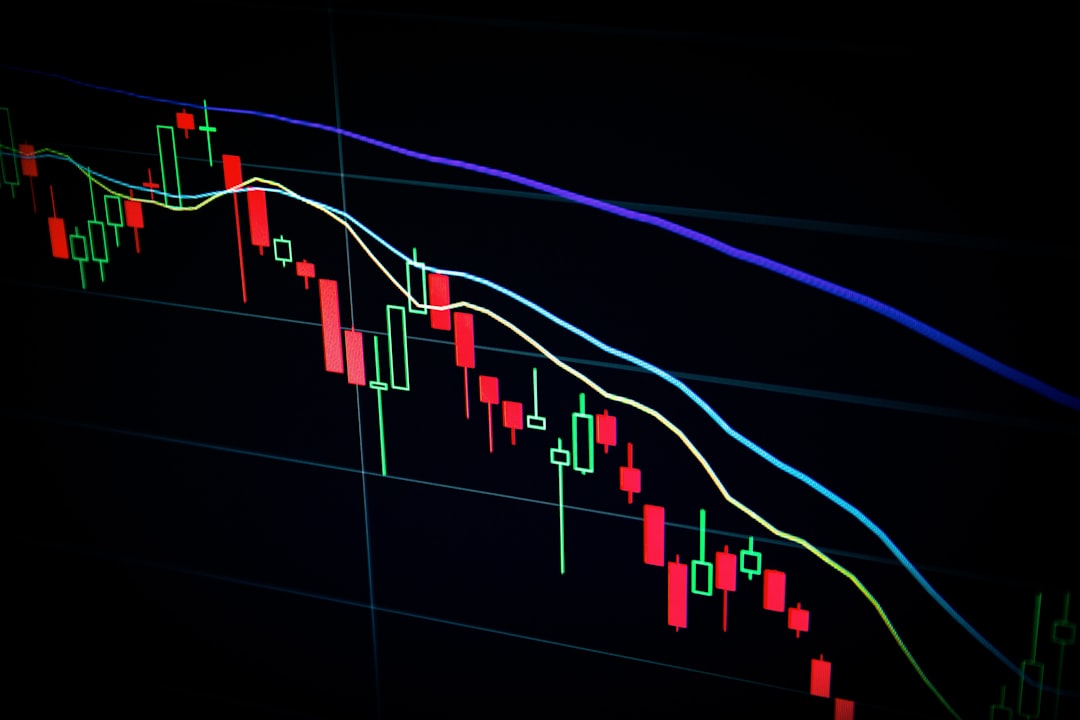
The stock market can be a wild beast. When it’s roaring, everyone wants a piece of the action. But when it starts to tumble, when the headlines are screaming red, that’s when fear can take over. And fear is a terrible investor.
Discipline Over Impulse: Sticking to Your Long-Term Vision
This is where we need to tap into our inner stoic. Emotional investing is a trap. Selling everything at the market’s lowest point out of sheer panic? That’s how you lock in losses. Making rushed, drastic changes to your portfolio based on every fleeting news headline? That’s a recipe for disaster. Our investment decisions need to be grounded in our long-term financial plan. Remember why you started investing in the first place. Was it for retirement? For a down payment on a house in five years? Those goals haven’t changed just because the market is having a bad day. We need to resist the urge to react impulsively. Instead, we take a deep breath and remind ourselves of our strategy. It’s about discipline, about having the fortitude to ride out the volatility, knowing that historically, markets recover.
Diversification: Your Portfolio’s Safety Net
Speaking of strategy, let’s talk about diversification. This is your portfolio’s built-in shock absorber. Imagine putting all your eggs in one basket. If that basket drops, you’re in trouble. Diversification means spreading your investments across different asset classes, industries, and geographies. This way, if one sector is struggling, others might be performing well, cushioning the blow. It’s about not putting all your hopes and dreams in one place. We need to regularly check if our portfolio is properly diversified. Is it aligned with our risk tolerance and our long-term objectives? If not, now is the time to rebalance, not out of panic, but as a strategic move to ensure resilience.
The Information Game: Staying Informed, Not Overwhelmed
We live in an age of information overload. News alerts pop up constantly, social media is a firehose of opinions, and it can feel like the sky is always falling. But drowning in this constant stream of negativity is counterproductive.
Curated Intelligence: Limiting Doom-Scrolling for Sanity
We need to be informed, yes. Knowledge is power. But consuming every single piece of economic news, especially the sensationalized stuff, will only fuel anxiety. We’re going to implement a strategy here: setting specific times to check economic news. Think of it like a scheduled briefing. We dedicate maybe 15-30 minutes once or twice a day to get the essential information. And crucially, we rely on credible sources. We’re talking about reputable financial news outlets, established economic institutions, not a random tweet or a sensationalized blog post. Filtering out the noise and focusing on reliable data will keep us informed without sending us into a spiral of dread.
In times of economic uncertainty, it’s essential to remain calm and informed about your financial options. A related article that provides valuable insights on securing quick funding for your business is available here. By exploring strategies such as cash advances, you can better prepare for unexpected shifts in the economy and ensure your business remains resilient. Understanding these financial tools can empower you to navigate challenges without succumbing to panic. For more information, check out the article on cash advances and fast funding.
Focusing Our Energy: What We Can Control
When economic shifts hit, it’s easy to feel powerless. The global economy, the actions of governments, the fluctuations of the market - these are often beyond our direct influence. But we do have control over our own actions, our own decisions, and our own immediate environment.
Taking Charge: Personal Responsibility in Uncertain Times
This is where we shift our focus from the uncontrollable to the controllable. What can we influence? Our spending habits, our savings rate, how we tackle our debt, how prepared we are for our careers, and our short-term financial goals. These are our levers of power. We can actively choose to cut back on discretionary purchases. We can prioritize paying down high-interest debt, which becomes even more burdensome when interest rates are high. We can proactively look for ways to increase our income or reduce our expenses. These are tangible actions that have a direct, positive impact on our financial well-being.
Career Fortification: Staying Nimble in the Job Market
The job market can be one of the first casualties of an economic downturn. So, preparing for job uncertainty is not being pessimistic; it’s being prudent. We need to keep our resumes updated. Not just a quick refresh, but a living document that reflects our latest skills and accomplishments. We also need to nurture our professional network. Staying in touch with former colleagues, attending industry events (even virtual ones), and letting people know what you’re up to can open doors when you least expect it. Being proactive about our career makes us more adaptable and less vulnerable to economic shocks. It’s about building our own economic resilience, one step at a time.
Keeping Our Cool: Mental and Emotional Resilience
Let’s not underestimate the toll that economic uncertainty can take on our mental and emotional health. The stress can be overwhelming, leading to poor decision-making and long-term anxiety. We need to equip ourselves with tools to manage this stress.
Calm Checkpoints: Implementing Stress Management Routines
We’re going to build in “calm-check routines.” This means scheduling regular financial check-ins, not to pore over every fluctuation, but to simply review our progress and reaffirm our plan. It’s like a friendly, regular status update with ourselves. Beyond that, we need to incorporate stress management techniques into our daily lives. Simple breathing exercises can do wonders for calming a racing mind. Talking to trusted friends, family, or even a professional can provide crucial support and perspective. The goal is to create a buffer not just financially, but mentally and emotionally, so that when economic shifts loom, we don’t buckle under the pressure. We stand firm, grounded by our preparedness and our resilience.
We’ve laid out a plan here. It’s not rocket science, but it requires discipline and commitment. We’re not going to panic. We’re going to be informed, we’re going to be prepared, and we’re going to control what we can. We are a united front, and we will navigate these economic shifts, not just by surviving, but by emerging stronger, smarter, and more resilient than ever before. Let’s get to work.
FAQs
What are economic shifts?
Economic shifts refer to changes in the overall economic conditions of a country or region, including factors such as inflation, unemployment, interest rates, and GDP growth.
How can individuals navigate economic shifts without panic?
Individuals can navigate economic shifts without panic by staying informed about the current economic situation, diversifying their investments, maintaining a budget, and seeking professional financial advice when needed.
What are some strategies for businesses to navigate economic shifts?
Businesses can navigate economic shifts by focusing on customer needs, diversifying their product offerings, managing cash flow effectively, and staying agile to adapt to changing market conditions.
What role does government policy play in navigating economic shifts?
Government policy can play a significant role in navigating economic shifts by implementing fiscal and monetary policies to stimulate the economy, provide support to businesses and individuals, and stabilize financial markets.
How do global economic shifts impact local economies?
Global economic shifts can impact local economies by influencing trade, investment, and consumer confidence, which in turn can affect employment, business growth, and overall economic stability within a region.