
How Tariffs Affect Inventory Planning
Closer Capitalist·May 15, 2026·Markets & the Economy

Alright, let’s break this down. We’re talking about how these damn tariffs mess with our inventory planning, and trust me, it’s not a game for the faint of heart. We’re navigating choppy waters here, folks, and if we’re not careful, we’ll be swimming with the fishes. This isn’t just some academic exercise; this is about survival, about keeping our shelves stocked, our customers happy, and our bottom line looking good. So, strap in. We’re going to dig into this thing, and by the end, you’ll understand what we’re up against and how we’re going to fight back.
Let’s get one thing straight: tariffs are taxes. Plain and simple. When goods cross a border, and a tariff is slapped on ‘em, that cost gets passed downstream. And guess who that downstream is? Us. We’re the ones who have to figure out how to absorb that hit, or how to pass it on without scaring off our customers. It’s a brutal calculus, and it’s changing by the day. We’re seeing these duties fluctuate, getting exemptions one minute, and facing new ones the next. It’s like trying to build a castle on quicksand.
The Ripple Effect on Our Shelves
This isn’t just about the price of a single widget. This is about the entire chain. When the cost of goods goes up, everything in our inventory gets more expensive. That means our inventory valuation is going through the roof, even if the physical amount of stuff we have hasn’t changed. It’s a phantom boost to our numbers that we know ain’t real. We’re sitting on more expensive product, and that ties up capital like you wouldn’t believe.
The Uncertainty Factor: Our Nemesis
The biggest killer here is uncertainty. We can plan for a steady 5% tariff. We can bake that into our pricing, our sourcing, our everything. But when it’s swinging wildly, when we don’t know what the duty rate is going to be tomorrow, let alone next month? That’s when the wheels start to come off. Forecasting becomes a guessing game, supplier commitments get shaky, and our customs guys are pulling their hair out trying to keep up with the latest regulations.
Understanding how tariffs impact inventory planning is crucial for businesses navigating global trade. For a deeper insight into financial strategies that can complement inventory management, you might find the article on crowdfunding particularly enlightening. It discusses how businesses can leverage crowdfunding to unlock potential and secure funding for inventory needs, especially in a fluctuating market influenced by tariffs. To read more, visit the article here: Unlocking Potential: The Power of Crowdfunding.
Stockpiling to Survive: The Preemptive Strike
So, what’s our immediate reaction to this impending doom? We’re stocking up. We’re placing orders earlier, piling on the inventory like there’s no tomorrow, all to get ahead of those impending tariff increases. It’s a temporary fix, sure, but it buys us time. It means for a little while, we can operate on the old, cheaper prices. This is giving our freight volumes and warehouse demand a massive, albeit temporary, kick in the pants.
The Warehouse Boom: A Double-Edged Sword
Those warehouses? They’re getting crammed. We’re seeing higher utilization rates as we squirrel away goods. On one hand, it’s a good problem to have; it means we’re prepared. On the other hand, every piece of inventory sitting there costs us money. Storage fees, handling, insurance - it all adds up. We’re trading one set of problems for another, trying to find that sweet spot where we’re not caught short but not drowning in carrying costs.
The Cost of Sitting Still
But what’s the alternative? Doing nothing? Letting those tariffs hit us like a ton of bricks? That’s a recipe for disaster. We’d be looking at price hikes that would alienate our customers, or we’d be eating the costs and watching our margins evaporate. So, this stockpiling, this preemptive strike, it’s a necessary evil. We’re playing defense, and in this game, defense can win championships.
The Shifting Landscape: New Sourcing, New Routes
We can’t just keep doing things the same old way. The tariff tsunami has forced us to fundamentally rethink our sourcing and logistics. Relying too heavily on one country, especially one that’s in the crosshairs of these trade wars, is a losing strategy. We’re diversifying. We’re looking to places like Mexico, not just for proximity, but for the potential of reduced tariff exposure. This nearshoring isn’t just a trend; it’s a strategic imperative.
The Mexico Advantage: Closer and Smarter
Why Mexico? It’s right in our backyard, which cuts down on transit times and costs. But more importantly, it allows us to build supply chains that are less susceptible to the whims of international trade disputes. We’re talking about building relationships with manufacturers who can serve us reliably, without the constant threat of surprise tariffs. It’s about strategic partnerships, not just transactional purchases.
Rethinking Transportation: Beyond the Usual Suspects
It’s not just where we’re sourcing from, but how we’re getting it here. We’re re-evaluating our transportation modes. Are we too reliant on ocean freight from overseas? Can we explore air cargo for critical components, even if it’s more expensive, to get ahead of potential shipping delays exacerbated by tariffs? Every decision we make now has to consider the tariff implications.
The Inventory Valuation Tightrope: Balancing the Books

This is where the auditors and the finance teams start breathing down our necks. Tariffs directly impact our Cost of Goods Sold (COGS). They can mess with our markdown assumptions - if we have to sell through inventory purchased at a higher tariff-inflated price, we might have to take bigger markdowns than we anticipated, further squeezing profits. And the risk of excess or obsolete inventory? That skyrockets when costs are unpredictable and lead times get thrown out of whack.
The Scrutiny Intensifies: No More Hiding
We’re seeing a lot more scrutiny on how we value our inventory. Every accounting department is on high alert. They’re looking at our purchasing records, our landed costs, our projections for future tariffs. They want to understand the true cost of what we’re holding. There’s no room for ambiguity anymore; everything needs to be crystal clear.
The Obsolescence Factor: A Silent Killer
The real nail in the coffin can be obsolete inventory. If we’ve stockpiled a ton of product anticipating higher tariffs, and then suddenly those tariffs disappear or the market shifts dramatically, we’re left with a warehouse full of stuff that’s worth less than we paid for it. That’s a massive write-off, and it can crush a company. This makes accurate demand forecasting and nimble inventory management absolutely critical.
Understanding how tariffs influence inventory planning is crucial for businesses looking to optimize their supply chains. A related article discusses the benefits of factoring, which can help companies manage cash flow effectively, especially when facing unexpected costs due to tariffs. By turning unpaid invoices into immediate cash flow, businesses can better navigate the financial challenges posed by fluctuating tariffs. For more insights on this topic, you can read the article on factoring and its impact on cash flow.
The Balancing Act: Safety Stock vs. Carrying Costs
Metrics
Impact
Cost of Goods Sold (COGS)
Increases due to higher import tariffs
Lead Time
Increases as companies seek alternative suppliers
Inventory Turnover
Decreases as companies hold more safety stock
Supplier Relationships
Strained due to renegotiation of pricing
This is the perpetual dilemma. Tariffs introduce uncertainty. They can lead to unexpected shortages if supply chains are disrupted. Our natural instinct is to increase our “safety stock” - that buffer of inventory we keep on hand just in case. This gives us peace of mind, knowing we can weather a storm. But here’s the kicker: more inventory means more carrying costs. We’re talking storage, insurance, working capital tied up, and, of course, the ever-present risk of obsolescence.
The Cost of Peace of Mind
Having extra inventory feels safe, but it’s a costly kind of safety. That capital sitting in warehouses could be invested elsewhere, generating returns. It could be used for marketing, for R&D, for anything that drives growth. Instead, it’s tied up in goods that are just sitting there, gathering dust, and costing us money every single day.
The Scarcity Threat: The Real Danger
However, the threat of scarcity is real. If a key component suddenly becomes prohibitively expensive due to tariffs, or if a supplier can’t deliver because of trade restrictions, we’re in a world of hurt. Running out of product means lost sales, damaged customer relationships, and a damaged reputation. So, we’re constantly weighing that risk against the cost of holding that extra stock. It’s a tightrope walk, and one wrong step can be disastrous.
The Silver Linings: Strategies for Resilience
It’s not all doom and gloom. We’re seeing companies that are proving that strong inventory management can actually offset some of this tariff pressure. It’s about being smart, being agile, and being disciplined. Companies like Gap, and others we’re watching closely, are demonstrating that with tight controls, smart sourcing, and a focus on productivity, we can mitigate the impact.
Lean and Mean: The Power of Control
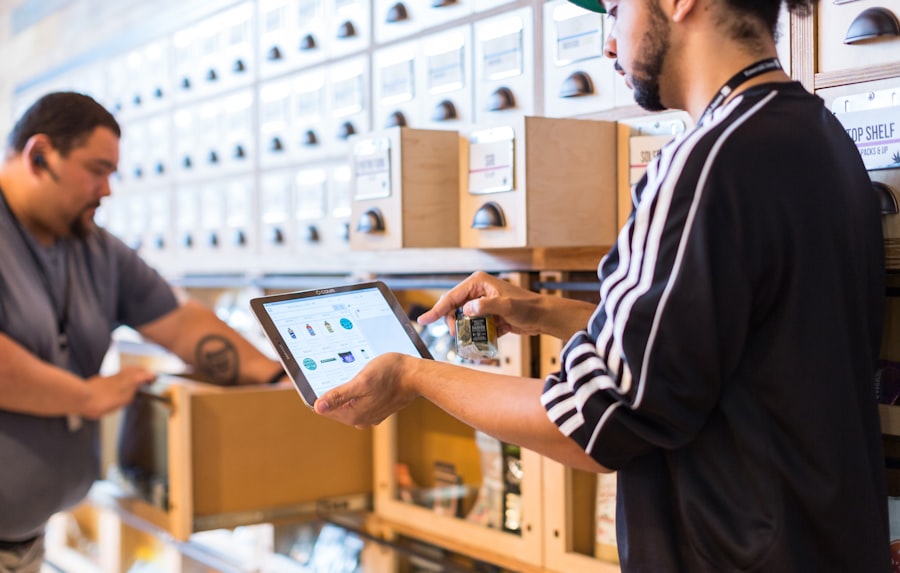
Tight inventory controls are paramount. This means accurate data, efficient stock rotation, and a deep understanding of our sales velocity for every SKU. We need to minimize the time inventory spends sitting on our shelves. Every day it sits there, it’s costing us money and increasing the risk of becoming obsolete. We’re implementing better inventory management software, optimizing our warehouse layouts, and empowering our teams with the tools they need to make smart decisions.
Sourcing Smarts: Beyond the Obvious
We’ve already talked about diversifying our sourcing, but it goes deeper than that. It’s about building stronger relationships with our suppliers, understanding their own vulnerabilities, and working collaboratively to find solutions. It might mean smaller, more frequent orders to reduce our exposure to price fluctuations. It might mean co-investing in redundant manufacturing capabilities. It’s a partnership approach to navigate these turbulent waters.
Productivity Gains: The Hidden Asset
And then there are productivity gains. This is about efficiency across the board. Streamlining our warehouse operations, optimizing our order fulfillment processes, reducing waste in our supply chain - every bit of efficiency we gain frees up resources and helps us absorb unexpected costs. It’s like finding hidden money in our operations.
So, that’s the deal. Tariffs are a beast, and they’re impacting how we plan, how we stock, and how we operate. But we’re not going to lay down and let them beat us. We’re adapting, we’re innovating, and we’re staying vigilant. We’re going to keep our shelves stocked, our customers happy, and our businesses strong. That’s how we fight back.
FAQs
What are tariffs?
Tariffs are taxes or duties imposed on imported goods by a country’s government. They are designed to make imported goods more expensive and less competitive with domestic products.
How do tariffs affect inventory planning?
Tariffs can impact inventory planning by increasing the cost of imported goods, which can lead to higher inventory carrying costs. Companies may need to adjust their inventory levels and sourcing strategies to account for the higher costs associated with tariffs.
What are some strategies for managing inventory in the face of tariffs?
Some strategies for managing inventory in the face of tariffs include diversifying sourcing locations, renegotiating supplier contracts, and optimizing inventory levels to minimize the impact of higher costs.
What industries are most affected by tariffs?
Industries that rely heavily on imported goods, such as the automotive, electronics, and consumer goods industries, are most affected by tariffs. These industries may need to reevaluate their inventory planning and supply chain strategies in response to tariff changes.
How can companies mitigate the impact of tariffs on inventory planning?
Companies can mitigate the impact of tariffs on inventory planning by conducting thorough cost-benefit analyses, exploring alternative sourcing options, and collaborating with suppliers to find cost-saving solutions. Additionally, staying informed about trade policies and regulations can help companies proactively adjust their inventory planning strategies.