
How Smart Operators Adapt to Economic Shifts
Closer Capitalist·June 4, 2026·Markets & the Economy

Alright, listen up, because we’re about to drop some truth bombs about thriving, not just surviving, in this crazy economic jungle. We’re not talking about just getting by; we’re talking about dominating. We’re the smart operators, the ones who see the shifts coming and pivot before the rest even realize they’re drowning. This ain’t some touchy-feely fluff piece; this is about how we keep our businesses sharp, our teams lean, and our profits fat.
Let’s be real. Everyone talks about “adaptability” like it’s a magic bullet. But what does it actually mean to be adaptable? For us, it means having our finger on the pulse, anticipating the next wave, and building a business that can not only weather any storm but actually capitalize on it. This isn’t about hope; it’s about strategy, foresight, and a relentless drive to win.
Our Secret Weapon: AI-Driven Adaptability
We’ve seen the reports, we’ve heard the whispers - AI isn’t just a fancy tool anymore; it’s the damn main event. We’re not just dabbling in AI; we’re embedding it into the very DNA of our operations. This isn’t about being trendy; it’s about speed, scale, and staying light years ahead of the competition. If your core processes aren’t fueled by AI, you’re already playing from behind. We’re talking about anticipating market demands, optimizing resource allocation, and personalizing client experiences at a level that was impossible just a few years ago.
The New Paradigm: Workflow Redesign, Not Just Automation
Forget simply automating old, broken processes. That’s like putting a fresh coat of paint on a crumbling house. We’re tearing down the walls and rebuilding from the ground up. McKinsey’s right: the real gains come from fundamentally redesigning how our people, our AI agents, and our robots - yeah, I said robots - work together. This isn’t about replacing humans; it’s about creating synergistic ecosystems where everyone and everything is working at their absolute peak performance. We’re talking about optimizing every single touchpoint, eliminating friction, and creating a flow that would make a racecar pit crew jealous.
In the context of understanding how smart operators adapt to economic shifts, it’s essential to consider the financial strategies they employ. A related article that delves into the importance of securing business credit is available at Unlocking Business Credit: A Guide for Entrepreneurs. This resource outlines how entrepreneurs can leverage credit to navigate economic fluctuations and sustain their operations, highlighting the critical role of financial planning in adapting to changing market conditions.
The Human Element: Building the Smartest Teams on the Planet
You might think with all this AI talk, the human factor gets pushed aside. Wrong. It simply shifts. We’re not looking for button-pushers anymore; we’re looking for strategic thinkers, innovators, and problem-solvers. The kind of people who can look at an AI output and know if it’s gold or just polished junk.
The AI Fluency Mandate: Upskilling for the Future
McKinsey ain’t blowing smoke when they say demand for AI fluency has exploded. We’re seeing it firsthand. Our teams aren’t just using AI; they’re understanding its capabilities, limitations, and how to effectively leverage it. This means continuous learning, internal workshops, and a culture where curiosity about new tech is rewarded. We’re investing heavily in reskilling our people because we know that the sharper our human minds are, the more powerful our AI becomes. It’s a feedback loop of brilliance.
Reskilling is Non-Negotiable: Future-Proofing Our Workforce
The World Economic Forum painted a clear picture: nearly half of workers need reskilling. We’re not waiting for our people to become obsolete. We’re proactively identifying skill gaps and providing the training necessary to fill them. Whether it’s advanced data analysis, prompt engineering, or understanding complex AI models, we’re making sure our team is equipped for whatever comes next. This isn’t a perk; it’s a necessity for survival in this rapidly evolving landscape. Our people are our most valuable asset, and we’re treating them like the high-performance engines they are.
Navigating the Job Disruption: Leaner, Meaner, and More Efficient

Let’s address the elephant in the room. Companies like JPMorgan, Goldman Sachs, and Amazon are using AI to cut costs and shrink teams. We’re not immune to this, but we’re approaching it with strategy, not panic. This isn’t about indiscriminately firing people; it’s about optimizing our workforce for maximum impact.
Strategic Optimization vs. Blind Layoffs
When we talk about cost-cutting through AI, we’re not talking about simply swinging an axe. We’re talking about meticulous analysis of workflows, identifying roles that can be augmented or automated, and then reallocating human talent to higher-value activities. This allows us to do more with less, which, in a fluctuating economy, is not just smart business; it’s essential for staying competitive. We’re building lean, mean machines, not bloated bureaucracies.
Elevating Human Strengths: The New Value Proposition
This isn’t a race of humans vs. machines; it’s humans with machines. Our human strengths are becoming more critical than ever, shifting towards high-value work: complex decision-making, nuanced communication, expert advising, and the critical evaluation of AI outputs. We’re empowering our teams to tackle the challenges that only humans can solve, freeing them from the repetitive tasks that AI handles with ease. This means more strategic thinking, more creativity, and ultimately, a more fulfilling and impactful role for our people.
The Rise of Operator 4.0: Our Vision for the Future
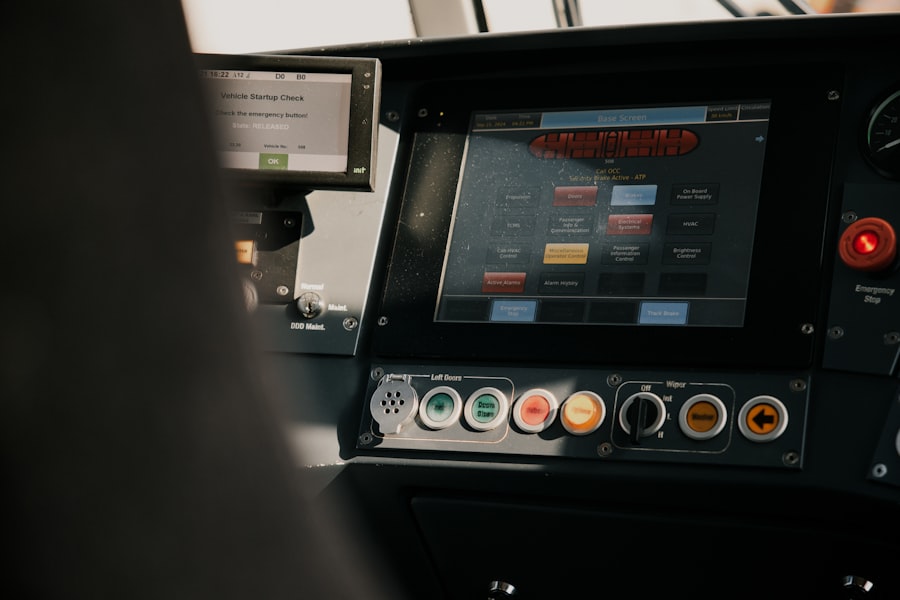
Step into one of our future facilities, and you won’t see people frantically sweating over mundane tasks. You’ll see Operator 4.0 in action. This isn’t science fiction; it’s our reality now and moving forward. We’re talking about a human-centered approach where technology amplifies, not replaces, human capability.
Humans and AI: A Symphony of Efficiency
Our operators are no longer just manipulating machines; they’re collaborating with them. AI provides real-time insights, optimizes production schedules, and even predicts potential maintenance issues before they become problems. This allows our human operators to focus on problem-solving, quality control, and continuous improvement - the things that require critical thought and human nuance. We’re building systems where humans and AI work in perfect harmony, each playing to their strengths.
Leveraging Cyber-Physical Systems for Unprecedented Control
We’re integrating cyber-physical systems across our operations. This isn’t just about automation; it’s about creating a living, breathing ecosystem where physical and digital worlds seamlessly merge. Sensors providing real-time data, AI analyzing that data to optimize operations, and human operators making informed decisions based on that intelligence. This level of control and insight gives us an unparalleled advantage in efficiency, quality, and responsiveness to market changes. We’re essentially giving our operators superpowers.
In today’s rapidly changing economic landscape, understanding how smart operators adapt to shifts is crucial for maintaining a competitive edge. A related article discusses the benefits of utilizing business credit cards as a strategic tool for building and managing business credit, which can be essential during uncertain times. By leveraging these financial instruments, companies can enhance their cash flow and make informed decisions that align with their evolving needs. For more insights on this topic, you can read the article on business credit cards.
Continuous Evolution: The Only Constant in Our Playbook
Adaptation Strategy
Description
Diversification
Expanding into new markets or product lines to reduce reliance on a single source of revenue.
Cost Reduction
Implementing measures to lower operating expenses without sacrificing quality or customer satisfaction.
Agility
Quickly adjusting business operations in response to changing market conditions or customer demands.
Strategic Partnerships
Collaborating with other businesses to leverage complementary strengths and resources.
Innovation
Developing new products, services, or processes to stay ahead of the competition and meet evolving customer needs.
The bottom line is this: the economic landscape is always shifting. We’re not sitting back and hoping for the best. We’re actively shaping our future. We’re investing in AI, redesigning our workflows, upskilling our teams, and embracing the Operator 4.0 model. This isn’t a one-time project; it’s an ongoing commitment to continuous evolution.
Staying Agile: Our Competitive Edge
Agility isn’t just a buzzword for us; it’s a foundational principle. We build feedback loops into everything we do, constantly analyzing performance, gathering market intelligence, and iterating on our strategies. This allows us to pivot quickly when necessary, seize new opportunities, and stay ahead of the curve. We’re not afraid to make bold decisions and course-correct when the data tells us to.
The Relentless Pursuit of Excellence
We believe in the relentless pursuit of excellence. This means never settling, always pushing the boundaries, and constantly seeking ways to improve. Whether it’s optimizing a manufacturing process, refining a sales funnel, or developing a new product, we’re committed to being the best. This mindset, combined with our strategic embrace of AI and human ingenuity, is how we not only adapt to economic shifts but how we dominate them. We’re not just playing the game; we’re writing the rules. And if you’re not on board, you’re going to get left behind. It’s that simple.
FAQs
What are economic shifts?
Economic shifts refer to changes in the overall economic conditions of a country or region, including factors such as inflation, unemployment, interest rates, and consumer spending.
How do smart operators adapt to economic shifts?
Smart operators adapt to economic shifts by diversifying their product or service offerings, adjusting pricing strategies, reducing costs, and investing in technology to improve efficiency.
What are some common strategies for adapting to economic shifts?
Common strategies for adapting to economic shifts include conducting market research to understand consumer behavior, developing contingency plans, and building strong relationships with suppliers and customers.
Why is it important for operators to adapt to economic shifts?
Adapting to economic shifts is important for operators to remain competitive, sustain profitability, and mitigate the impact of economic downturns on their business.
What are some examples of successful adaptation to economic shifts?
Examples of successful adaptation to economic shifts include companies that have pivoted their business models, expanded into new markets, or implemented innovative cost-saving measures during economic downturns.