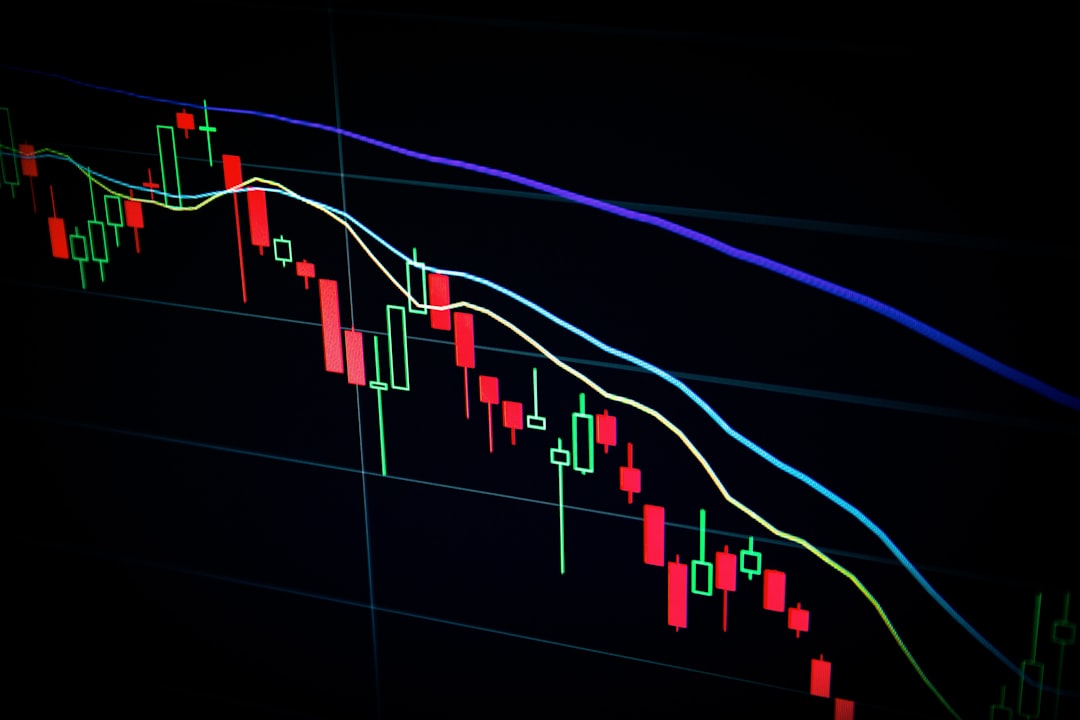
How Oil Market Trends Impact Daily Operations
Closer Capitalist·May 31, 2026·Markets & the Economy
Alright, listen up. You wanna know how this crazy oil market messes with our everyday grind? We’re not just talking about filling up the truck here, folks. We’re talking about the gears that keep the whole damn machine running, from the moment we punch in to the time we clock out. The price of a barrel, man, it ain’t just a number on a screen. It’s a force that dictates every move we make, every repair we postpone, every dollar we spend trying to stay ahead. We’re the ones on the ground, feeling the ripple effects of every geopolitical tremor, every supply chain hiccup. So let’s break it down, how this messy world of oil trends is really screwing with our daily operations.
Right now, the biggest elephant in the room is the damn Middle East. You hear it on the news, you read about it in the reports - Strait of Hormuz, chokepoint, global oil supply. What that means for us is higher prices, plain and simple. Almost 20% of the world’s oil zips through that narrow waterway, and when there’s even a whiff of trouble, prices get a damn risk premium baked right in. That’s not some abstract economic theory; that’s money out of our pockets, man.
The Strait of Hormuz: A Geopolitical Tightrope
Look, the Strait of Hormuz is like the pulsing artery of the global energy system. When things get tense over there, whether it’s saber-rattling, actual skirmishes, or just damn threats, the market reacts. And not in a good way for us. This isn’t a hypothetical “what if.” This is reality. Every news report about increased tensions, every intercepted shipment, every political statement - it all translates into a higher baseline cost for the fuel we rely on. We’re not just buying oil; we’re paying for the anxiety surrounding its delivery.
The Unseen Premium: How Risk Translates to Dollars
This “risk premium” isn’t some hidden fee in fine print. It’s embedded into the very price of Brent crude. The market anticipates disruption. It prices in the possibility that a significant chunk of supply might not make it to its destination. For us, this means that even when everything else seems normal, our operating costs are higher because the world is holding its breath. We’re effectively paying extra for the potential for chaos, which is a raw deal if you ask me.
Tanker Avoidance: When Fear Grounds the Fleet
And it’s not just the politicians barking. The real-world consequences are showing up. Ships are getting rerouted, avoiding these high-risk areas. Why? Because the threats are real, and so are the insurance headaches. If a tanker gets hit, that’s a massive financial loss, not to mention the potential for environmental disaster. So, what happens when tankers steer clear? Supply gets squeezed. We’re seeing regional production shut-ins because companies can’t get their oil out. That means less oil on the market, and guess what? Prices go up again. It’s a vicious cycle, and we’re at the mercy of it.
The Rippling Effect: From Chokepoints to Our Local Pumps
Think about it. A tanker route gets disrupted way over in the Middle East. How does that affect us, say, in Kansas, or Texas, or wherever we’re operating? It’s all connected, man. The global price of crude sets the stage. When that price ticks up due to these shipping issues, it filters down. Crude prices are already tight, and when you add these supply shocks, it’s not just going to affect the big international players. It’s going to hit the physical market, and that means our operating costs, our fuel bills, our everything, are going to feel it.
Understanding how oil market trends impact daily operations is crucial for businesses that rely on fuel and energy resources. For those looking to manage their finances effectively in light of fluctuating oil prices, exploring financial tools such as business credit cards can be beneficial. These cards not only help in managing cash flow but also in building business credit, which can be essential during times of economic uncertainty. For more insights on this topic, you can read the article on business credit cards here: Business Credit Cards: A Smart Way to Build and Manage Business Credit.
The Squeeze is On: Physical Crude Gets Real
You see those charts? The ones showing inventory drawdowns? Well, we’re running out of room to hide. The days of having massive stockpiles to buffer against supply shocks are pretty much over. What that means for us, on the ground, is that those recent supply issues aren’t just abstract news headlines anymore. They’re starting to directly impact the actual price of the crude we need to buy and process. This isn’t theoretical; this is tangible.
Inventory Limits: Nowhere Left to Hide
We’ve been living on borrowed time, guys. Companies have been drawing down their reserves, trying to keep things moving, trying to meet demand without breaking the bank. But there’s a limit to how much you can draw down. You can’t keep pulling product from a barrel that’s already empty. When those inventories get near rock bottom, any disruption, any hiccup in supply, hits the physical market directly. There’s no cushion. That’s what we’re facing now.
The Direct Hit: Higher Physical Prices, Harder Operations
This isn’t a gradual increase. When physical crude prices jump because there’s simply less of it readily available, it hits us like a ton of bricks. We’re talking about real costs for the actual product, not just some futures market speculation. This translates directly into higher operating expenses. Every gallon of fuel, every barrel of feedstock, it’s all going to cost more, and it’s going to happen faster than we’re used to. This change is immediate, and it’s a gut punch to our financial planning.
Repair Costs and Reserve Building: The Double Whammy
So, what do we do when the market’s this volatile and supply is this uncertain? We try to protect ourselves, right? That means two things: rebuilding our reserves and, unfortunately, spending more on repairs. Companies are going to want to hold more stock, a buffer against shortages. That’s an investment, and it ties up capital. Then, if our facilities have been neglected, or if there have been any minor damages that we’ve been able to overlook, now’s the time to fix them. These repairs, especially on aging infrastructure, can cost billions. So, we’re caught between the need to stockpile for the future and the immediate need to spend on shoring up what we have, all while trying to navigate these rising raw material costs. It’s a financial tightrope, and the margins are getting thinner by the day.
The Cost of Preparedness: A Necessary Evil
We’re looking at shelling out serious cash to build up our inventories. It’s a defensive move, a way to ensure we don’t get caught with our pants down when the next supply crunch hits. But that money has to come from somewhere, and it’s not magically appearing. It means less money for other things, less money for upgrades, less money for expansion. Then you add the cost of repairs. If something breaks, it’s going to cost more to fix than it did before, and if we’ve been putting off maintenance because times were good, well, we’re going to pay for that now.
Supply Uncertainty: A Constant Cloud Over Our Heads
This isn’t just about the price of oil today. It’s about what happens tomorrow, next week, next month. The uncertainty around supply is constantly messing with our ability to plan. We’re not just running an operation; we’re constantly trying to predict and adapt to a market that feels like it’s constantly shifting.
The Daily Grind: Production, Refining, and Real-Time News
Every single day, we’re glued to the news. We’re watching production figures, we’re seeing what refineries are running at, and we’re dissecting every bit of real-time market information. Why? Because these are the factors that are dictating price swings. We need to be nimble, ready to adjust our production schedules, our procurement strategies, our entire operational game plan based on this constant flow of data. It’s exhausting, frankly, but necessary if we want to stay afloat.
Anticipating the Swings: A Gamble We Can’t Afford to Lose
The ability to anticipate price swings is critical. It’s the difference between making a profit and taking a massive loss. If we misjudge the market, if we make a big purchase at the wrong time, the consequences can be devastating. That’s why we’re so focused on these daily updates. It’s not about being nosy; it’s about survival. We’re trying to get ahead of the curve, to make the smart moves before the trend even fully materializes.
Strategic Planning: Held Hostage by Volatility
Our long-term strategic planning - where we invest, where we expand, what projects we undertake - it’s all being held hostage by this volatility. How can you commit to a massive capital project when you have no idea what your feedstock costs are going to be in a year? How do you project profits when the very foundation of your cost structure is subject to these wild swings? We’re forced to operate with a much shorter planning horizon, which is far less efficient and far riskier.
The Constant Readjustment: A Never-Ending Cycle
We’re constantly readjusting. Every quarter, every month, maybe even every week, we’re looking at our plans and asking, “Does this still make sense?” The market conditions have changed, and our strategies need to reflect that. This constant cycle of re-evaluation and readjustment is not only time-consuming but also drains resources that could be better directed towards growth and innovation.
Demand and Inflation: The Domino Effect Beyond Oil
It’s not just about oil prices themselves. The impact of these oil market trends is spreading like wildfire. We’re seeing it in factory costs, we’re seeing it in export prices in other countries. This is the domino effect, and it’s affecting day-to-day business operations in ways you might not immediately connect back to the price of a barrel.
Factory Floor Impacts: The Cost of Energy on Production
Think about any manufacturing process that relies on energy. From the machinery running in a factory to the transportation of raw materials, energy is a fundamental cost. When oil prices surge, that cost inevitably finds its way into the production process. Factories have to absorb some of that increase, pass it on to their customers, or find ways to cut costs elsewhere. This can lead to reduced production, higher product prices, and ultimately, a dampening effect on economic activity.
From Raw Materials to Finished Goods: A Costly Chain
The price of oil is woven into the very fabric of manufacturing. It’s in the plastics we use, the chemicals that are produced, the fuel that powers the trucks carrying our goods. When that price goes up, every step in that supply chain becomes more expensive. This isn’t limited to just the energy sector; it’s a systemic issue that affects a vast array of industries.
Export Price Pressures: The Global Reach of Oil Shocks
For countries that rely on exports, rising oil prices can spell disaster. It makes their goods more expensive on the international market, reducing their competitiveness. This can lead to a decline in export volumes, which in turn hurts their economies. So, even if we’re not directly involved in exporting, the economic fallout from oil price shocks can still impact us through reduced demand for our products and services.
The Competitiveness Conundrum: Staying Afloat in a Volatile World
When your competitors in other regions are facing lower energy costs due to different supply dynamics, it puts you at a distinct disadvantage. We’re forced to constantly assess our competitiveness in a global market where energy prices can be a significant differentiator. This can lead to difficult decisions about pricing, production levels, and even where we choose to operate.
Understanding how oil market trends impact daily operations is crucial for businesses in various sectors. For instance, fluctuations in oil prices can significantly affect transportation costs, which in turn influences overall operational expenses. To explore how businesses can secure funding to adapt to these changes and support their growth, you may find the article on equipment financing particularly insightful. This resource provides valuable strategies for obtaining the necessary financial support to navigate the challenges posed by volatile oil markets.
Our Response: Adapting to Survive and Thrive
Impact of Oil Market Trends on Daily Operations
Metrics
Cost of production
Percentage increase/decrease in production costs
Transportation costs
Change in transportation expenses
Consumer demand
Fluctuations in consumer demand for oil-related products
Profit margins
Impact on profit margins due to oil price changes
Supply chain disruptions
Number of supply chain disruptions due to oil market trends
So, what do we do? We can’t just sit back and let the tides of the oil market wash over us. We’ve got to be proactive. We’ve got to adapt. This is about survival, but it’s also about finding new ways to thrive in this volatile environment.
Investing in Efficiency: Doing More with Less
The first and most obvious response is to become as efficient as damn possible. We’re cutting down on waste, optimizing our processes, and investing in technologies that reduce our energy consumption. Every gallon of fuel saved, every kilowatt-hour conserved, it all adds up. This isn’t just about being environmentally responsible (though that’s a bonus); it’s about reducing our reliance on these volatile commodity prices and making ourselves more resilient.
The “Lean and Mean” Mantra: Maximizing Every Resource
We’re all about that “lean and mean” mentality now. We’re scrutinizing every expense, questioning every expenditure, and looking for ways to streamline our operations. This means investing in automated systems where it makes sense, optimizing our logistics to reduce fuel consumption, and ensuring our equipment is running at peak performance. It’s not glamorous work, but it’s the bedrock of survival in tough times.
Diversification Strategies: Spreading the Risk
We’re also looking at diversification. We can’t have all our eggs in one volatile basket. This means exploring new markets, developing new product lines, and if possible, integrating different energy sources into our operations. The more diversified we are, the less vulnerable we are to price shocks in any single commodity.
Beyond the Barrel: Exploring Alternative Avenues
This isn’t just about oil anymore. We’re looking at how other energy sources might fit into our broader strategy. Renewable energy, for instance, is becoming increasingly attractive. While it might not completely replace our reliance on oil in the short term, it offers a hedge against price volatility and a pathway to long-term sustainability. Diversifying our revenue streams and our operational inputs is a critical strategy for navigating this unpredictable landscape.
Enhancing Risk Management: Smarter Hedging and Forecasting
We’re also getting much smarter about our risk management. This means more sophisticated hedging strategies to lock in prices, better forecasting tools to anticipate market movements, and more agile financial planning to weather the storms. We can’t control the market, but we can control how we prepare for its fluctuations.
The Art of the Hedge: Protecting Our Financial Position
Hedging is an art form, a delicate dance between protecting ourselves from downside risk and not leaving too much money on the table if prices happen to fall. We’re constantly refining our hedging strategies, using a variety of financial instruments to secure our costs and ensure a more predictable financial future. It’s about playing the long game, not just reacting to the daily headlines.
Collaboration and Information Sharing: Stronger Together
Finally, we’re recognizing the power of collaboration. Sharing information with industry partners, working together on research and development, and advocating for policies that promote market stability - these are all crucial steps. We’re all in this together, and by working collaboratively, we can create a more robust and resilient energy sector for everyone.
The Network Effect: Strength in Unity
We can’t operate in silos anymore. The interdependencies within the energy sector are too great. By sharing best practices, collaborating on technological advancements, and presenting a united front on policy issues, we can collectively navigate these challenges more effectively. We’re stronger together, and that’s a lesson we’re learning the hard way, but learning nonetheless.
So yeah, the oil market trends? They hit us hard, every single day. It’s a constant battle to stay ahead, to adapt, and to keep this whole damn thing running. But we’re the ones on the front lines, and we’re learning to fight.
FAQs
What are some key oil market trends that impact daily operations?
Some key oil market trends that impact daily operations include changes in oil prices, supply and demand dynamics, geopolitical events, and regulatory changes.
How do changes in oil prices affect daily operations?
Changes in oil prices can impact daily operations by affecting transportation costs, energy expenses, and the cost of raw materials used in production. Higher oil prices can lead to increased operating costs for businesses.
What role does supply and demand dynamics play in daily operations?
Supply and demand dynamics in the oil market can impact daily operations by influencing the availability and cost of key resources such as fuel and energy. Fluctuations in supply and demand can affect production schedules and logistics.
How do geopolitical events impact daily operations in relation to the oil market?
Geopolitical events such as conflicts, sanctions, and trade disputes can impact daily operations by creating uncertainty in the oil market, leading to price volatility and potential supply disruptions.
What are some examples of regulatory changes that can impact daily operations in the oil market?
Examples of regulatory changes that can impact daily operations in the oil market include environmental regulations, taxation policies, and trade agreements. These changes can affect compliance costs and market access for businesses.