How Fuel Costs Shape Local Service Pricing
Closer Capitalist·May 27, 2026·Markets & the Economy
Alright, let’s talk about what’s really going on out there, the stuff that hits our wallets every single day, even if we don’t always see it. We’re talking about fuel costs, and how they’re kicking us in the teeth when it comes to what we pay for just about everything local. You think that pizza is expensive? Or that plumber’s bill? There’s a big fat reason for that, and it’s burning a hole in our pockets faster than cheap gas used to when we were kids. We’re gonna break this down, plain and simple, like we always do. No jargon, no BS. Just the facts, and what it means for us, the people who are out there doing the work, building our communities, and paying the bills.
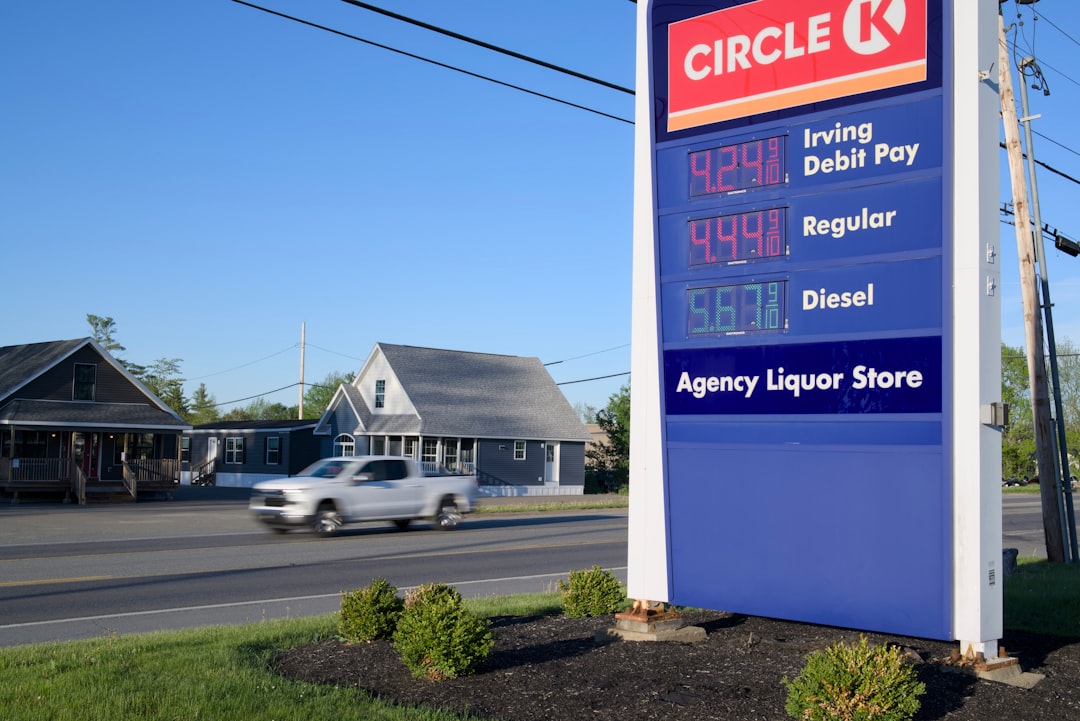
Look, we’re not talking about a nickel and dime situation here anymore. We’re talking about serious, sustained price hikes that are fundamentally changing the game. We’ve all seen it, right? That red number on the sign at the pump creeping up, and then just… staying there. Or worse, shooting up when you least expect it. We’re talking about averages hitting levels that would have made our grandparents faint, like that $4.459 the AAA’s been flagging. That’s not pocket change, folks. That’s a significant chunk of anyone’s budget. And it’s not just a static number either. March this year, just for instance, saw a jump of over 21% nationally. Twenty-one percent. That’s not a blip; that’s a seismic event in the fuel market. And why? Geopolitical tensions, they say. Wars, sanctions, supply chain hiccups that ripple all the way down to our neighborhood. It’s a global mess, sure, but we’re the ones feeling it at the local level, every time we fill up, every time we order something online, every time we call for a service. This isn’t just about the price of gas; it’s about a fundamental shift in the cost of doing business, and that, my friends, directly impacts what we end up paying for goods and services right here at home.
The Stealth Charges: How Fuel Is Sneaking Into Our Bills
So, you get a bill, and it looks… higher than it used to. Maybe you don’t see a line item specifically for “fuel.” But make no mistake, it’s in there. The big players, the ones that move the goods, the ones that provide the essential services, they’ve figured out how to offset these insane fuel costs. They’ve added fees and surcharges. It’s like a hidden tax, but it’s not governmental; it’s corporate. They’re calling it a “fuel surcharge,” a “delivery fee adjustment,” or some other fancy name designed to make you feel like it’s a temporary fix. But as we’re seeing, it’s becoming a permanent fixture. These companies aren’t charities. They have overhead, and if their biggest overhead - fuel - skyrockets, they’re going to find a way to pass that directly onto you. It’s a simple equation for them: increased cost equals increased price. And as consumers, we often don’t have a choice. We need those deliveries, we need those services, so we suck it up. But it’s important to understand that these aren’t arbitrary markups. They are a direct consequence of the volatile and elevated cost of getting things from point A to point B, and that impacts everything from the cost of raw materials to the final product you hold in your hands.
The Small Business Squeeze: Feeling the Burn Firsthand
Now, this is where it really hits home for us. Small businesses, the backbone of our communities, are getting absolutely hammered by this. Think about your local contractor, the guy who fixes your leaky faucet. He’s got a truck, right? He’s got to drive to your house, sometimes across town. He’s got tools on that truck. All of that requires fuel. And it’s not just the gasoline for his personal vehicle; it’s the diesel for his work truck, the fuel for any specialized equipment he might use. When fuel prices go up, his delivery costs skyrocket. His transportation costs for materials from the supplier? Through the roof. His operation costs, plain and simple, just get more expensive. And for a small business, those margins are often tighter than a drum. They can’t absorb these kinds of increases easily. So, what do they do? They have to fold those increased costs directly into their pricing. That means the price of your plumbing repair, your landscaping service, your local bakery’s delivery of artisanal bread - all of it is going up because the cost of getting the ingredients, getting the supplies, and delivering the finished product has become astronomically more expensive. This isn’t about gouging; it’s about survival. They’re doing what they have to do to keep the lights on and keep serving us.
In exploring the impact of fuel costs on local service pricing, it’s essential to consider how businesses manage their operational expenses to remain competitive. A related article that delves into financial solutions for businesses facing such challenges is available at Cash Advances: Fast Funding for Your Business. This resource discusses how cash advances can provide quick financial relief, enabling service providers to adjust their pricing strategies in response to fluctuating fuel costs and other economic pressures.
The Diesel Domino Effect: More Than Just Trucks on the Road
When we talk about fuel costs, a lot of people automatically think about their personal car, the gas station down the street. But the reality is, diesel is the unsung hero - or villain, depending on your perspective - of our modern economy. It’s not just the trucking industry that runs on diesel; it’s a huge swath of our essential services. Think about agriculture. Tractors, harvesters, irrigation pumps - they all run on diesel. When diesel prices spike, the cost of growing our food goes up. That means the price of your groceries, your fresh produce, your meat - it’s all going to be impacted. Then there’s construction. Bulldozers, excavators, cranes - all diesel-powered. When construction costs rise due to fuel prices, it impacts the cost of building our homes, our businesses, our infrastructure. And don’t forget freight and shipping. Containers moving across the country by rail or truck, ships bringing goods from overseas - a significant portion of that relies on diesel. This domino effect is real. Higher diesel prices mean higher costs for getting raw materials to factories, higher costs for distributing finished goods to local stores, and ultimately, higher prices for everything from the new couch you ordered to the basic household necessities you pick up at the supermarket.
Groceries, Goods, and Everything In Between: The Ripple of Rising Diesel
Let’s get specific here. You walk into your local grocery store. The apples on display? They likely traveled hundreds, if not thousands, of miles. The packaging they came in? Likely manufactured with materials transported by diesel-powered vehicles. The electricity that powers the refrigeration units? Often generated by power plants that use diesel, or at least delivered through a grid that relies on diesel-powered transportation for maintenance and fuel. Now, consider your household goods. That new appliance, that piece of furniture, even the clothes on your back - much of it has a long journey from its origin to your local store. Each step of that journey, from manufacturing to warehousing to final delivery, is subject to fuel costs. When diesel prices go up, every single one of those steps becomes more expensive. And businesses, trying to maintain their own profitability, will pass those increased costs onto us, the consumers. It’s a complex web, and diesel is a critical thread running through it, dictating the price of nearly every tangible item we purchase.
From Farmland to Fork: How Diesel Dictates Dinner Prices
Let’s break down the journey of your dinner plate. Imagine a farmer growing corn. He needs diesel for his tractor to plow the fields, plant the seeds, and spray for pests. Then, he needs to transport that corn to a processing plant, which also requires diesel for trucks. The processing plant might use diesel generators for power. From there, the corn, or products made from it (like corn syrup for drinks, or animal feed for livestock), needs to be transported again to distributors, then to grocery stores. Each leg of this journey is vulnerable to the price of diesel. If the farmer’s fuel costs double, he has to pass some of that on. If the trucking company’s fuel costs double, they pass that on. If the processor’s energy costs go up, you get the idea. By the time that corn, or the food products derived from it, reaches your plate, the original diesel price hike has multiplied. It’s not a direct one-to-one increase on your grocery bill, but it’s a significant contributing factor that makes eating well more expensive, especially for fresh produce and meat, which often have even longer and more complex supply chains.
The Local Landscape: Why Your Town Pays Differently
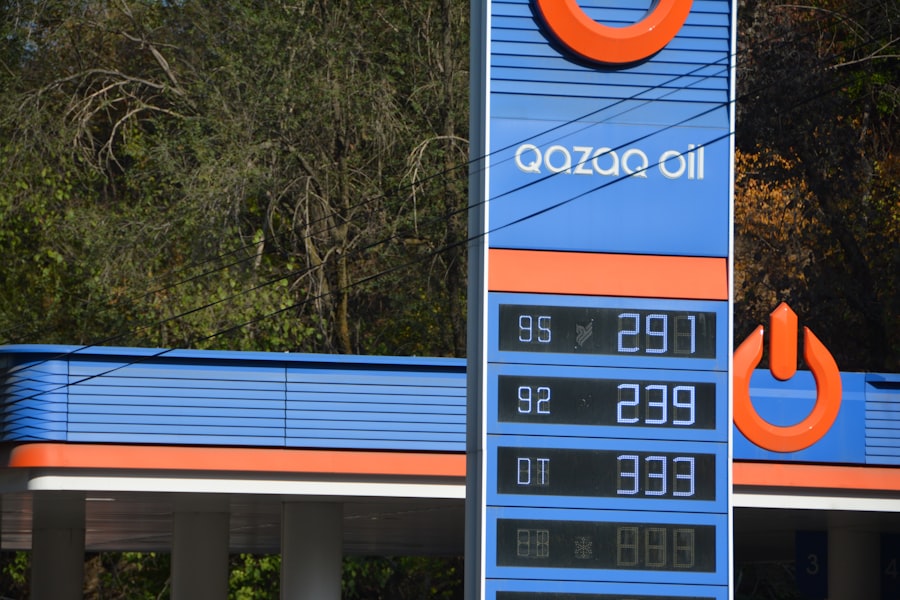
Now, we see national averages, the big numbers flashing on the news. But it’s crucial to remember that fuel prices aren’t some uniform, nationwide entity. There’s a whole lot of variation happening right in our own backyard. The Department of Energy has been tracking this, and their reports make it clear: fuel prices differ significantly by location, by the season, and even by the contracts individual suppliers have. Think about it. A rural town, miles from a major refinery, might face higher transportation costs just to get fuel into their local stations. A coastal city with a major port might have slightly different pricing structures than an inland metropolis. Seasonal demands, like increased travel during summer months, can also temporarily affect local availability and price. And those supplier contracts? They can lock in prices for a period, creating a gap between one town and the next, even if they’re just a few counties apart. This regional variation is a huge factor in why service pricing can diverge so much.
Location, Location, Location: The Geography of Gas Prices
We’ve all experienced this firsthand. You drive across county lines, and suddenly, the gas prices are a dime cheaper - or a dime more expensive. This isn’t random. Geographic location plays a massive role. If your local service provider primarily operates within your specific county or metropolitan area, they’re subject to the fuel prices in that specific area. If their primary suppliers are located further away, or if their regular routes take them through regions with higher fuel costs, that’s going to factor into their operating expenses. For example, a service that relies on getting specialized parts from a distant warehouse will be more affected by transit costs than one that can source locally. This isn’t just about the gas pump; it’s about the cost of getting the personnel and the materials to your doorstep. And that cost is directly tied to the fuel prices in the zones they traverse.
Seasonal Swings and Supplier Secrets: The Hidden Drivers of Local Costs
Beyond just where you are, when you are also matters. We know that demand for gasoline often increases during warmer months as people travel more. This can put upward pressure on prices. Conversely, demand might decrease in colder months. But it’s not just consumer demand; industrial demand also fluctuates, affecting the price of diesel and other fuels. Then there are the “supplier secrets.” Every fuel distributor has contracts, agreements with refineries, and their own logistical networks. These contracts can be long-term, protecting them from short-term spikes, or they can be more flexible, making them vulnerable. A local business owner who has a favorable, long-term contract for their fuel might be able to keep their service prices more stable than a competitor who is operating with month-to-month fuel purchase agreements. These unseen factors, the behind-the-scenes deals and seasonal demands, all contribute to the unique pricing landscape you experience locally.
The Freight Factor: How Goods Get Here, and What It Costs
Let’s be real. Almost everything we buy, use, or consume has a journey. It’s not conjured out of thin air and placed on our doorsteps. It’s transported. It’s freighted. And the cost of that freight is directly, unequivocally, tied to fuel prices. We’ve talked about diesel, but it’s worth reiterating because this is the engine of our economy. Every single item you see on a shelf, in a store, or delivered to your home - from the lumber used to build your house to the electronics in your pocket - had to be moved. And moving things costs money, and a huge part of that money is spent on fuel. When fuel prices are elevated and volatile, the cost of moving goods goes up. This isn’t a secret; it’s a fundamental economic reality. Companies that transport goods are facing massively increased operating expenses. They have to find a way to cover those costs.
The Logistics Labyrinth: Navigating the Cost of Transportation
Think about the vast network of trucks, trains, and ships that keep our economy moving. Each of these modes of transportation is a massive fuel consumer. A long-haul truck burns hundreds of gallons of diesel on a cross-country trip. A cargo ship can consume thousands of gallons of fuel per day. Even freight trains, while more efficient per ton-mile than trucks, still rely on diesel locomotives. When the cost of this fuel spikes, the entire logistics chain becomes more expensive. This isn’t just about the fuel itself; it’s about the ripple effect. Increased fuel costs can lead to companies hiring fewer drivers, reducing the frequency of deliveries, or even seeking more localized sourcing of goods to minimize transit times and distance, all of which can eventually impact the availability and price of goods in your local market.
From Raw Materials to Retail Shelf: The Fueled Journey of Your Purchases
Let’s trace the path of something simple, like a t-shirt. The cotton was grown, likely in a warm climate. It was harvested, baled, and transported to a textile mill. The mill processed it into fabric, which was then shipped to a garment factory. The factory sewed the shirts, and then those finished shirts were shipped to distribution centers, then to individual retail stores, or directly to your home if you ordered online. Every single one of those steps involved transportation, and therefore, fuel. If the price of diesel jumps significantly, each of those transportation legs becomes more expensive. The cotton farmer incurs higher costs to get his crop to market. The trucking company that moves the fabric faces higher bills. The logistics firm handling the final delivery to your door has to add more to their price. This cumulative cost, built up over the entire supply chain, is what ultimately determines the price you pay for that t-shirt.
Understanding how fuel costs influence local service pricing is crucial for both consumers and business owners. A related article discusses various strategies that entrepreneurs can adopt to navigate fluctuating expenses and maintain profitability. By exploring these smart wealth-building strategies, businesses can better manage their operational costs in an ever-changing economic landscape. For more insights, you can read the article on smart wealth-building strategies for entrepreneurs.
The Price of Service: How Fuel Fuels Local Businesses
City
Fuel Cost
Service Pricing
New York
2.50 per gallon
10% increase in service pricing
Los Angeles
3.00 per gallon
15% increase in service pricing
Chicago
2.75 per gallon
12% increase in service pricing
We’ve talked about goods and the supply chain, but what about services? The local plumber, the electrician, the HVAC technician, the landscaper, the pest control guy - these are the people who maintain our homes and businesses, the essential services we rely on every day. They too, are heavily impacted by fuel costs. Their vehicles are their livelihood. They need to get to your property, often quickly. They carry tools, equipment, and sometimes materials. This all requires fuel. And when fuel prices are high, their operating costs go up, plain and simple. This directly translates into the price they have to charge for their services.
The Mobile Workforce: Fuel Costs for Your Local Heroes
Consider the tradespeople who are constantly on the move. A plumber might have multiple appointments in different neighborhoods throughout the day. An electrician might be called out for an emergency repair that requires them to drive across town. The fuel consumed by their vans and trucks is a significant, and often variable, portion of their business expenses. Unlike a brick-and-mortar store that might have its rent fixed, the cost of fuel can fluctuate wildly, making it difficult to predict and budget. This unpredictability forces service providers to build in a buffer, a contingency, into their pricing to account for potential fuel price spikes. This means that even if they don’t have a direct “fuel surcharge” line item, the cost of that fuel is already woven into their hourly rates or their flat fees for services.
Beyond the Trip: Fuel for Tools and Operations
It’s not just the drive that’s affected. Many local service businesses use equipment that runs on fuel. Generators, specialized cutting tools, larger machinery for landscaping or construction - these all consume fuel. Maintaining this equipment, transporting it to job sites, and powering it while in use all contribute to the overall operating cost, which is heavily influenced by fuel prices. For instance, a landscaping company that uses large mowers and chippers powered by gasoline or diesel will see a direct increase in their costs when fuel prices rise. This will inevitably be reflected in the prices they charge for their services, whether it’s a lawn mowing contract, a tree trimming service, or a more extensive landscape design project.
The Future of Pricing: Adapting to a Fuel-Sensitive Economy
So, what does all this mean for us going forward? It means we’re living in a more fuel-sensitive economy than ever before. The days of cheap, predictable fuel prices are, at least for the foreseeable future, a distant memory. This isn’t a passing fad; it’s a fundamental shift in the cost of doing business, and it’s going to continue to shape how local services are priced. We, as consumers, need to be aware of these factors. We need to understand that when we see prices go up, it’s not always about greed; it’s often about the harsh realities of higher operating costs. And businesses, if they want to survive and thrive, are going to have to get creative.
The Surcharge Strategy: Transparency and Trepidation
As we’ve seen, the most immediate response from many businesses is to implement fuel surcharges. This is a direct attempt to offset the increased costs. While it provides a degree of transparency, it can also be a point of contention for consumers who are already feeling the pinch. The key here, for businesses, is to be transparent about these charges. Clearly stating what the surcharge is for, and perhaps making it a variable percentage that adjusts with fuel prices, can help build trust. However, even with transparency, consumers are ultimately going to face higher costs, and the long-term impact on local spending habits remains to be seen.
Innovation and Efficiency: The Path to Sustainable Pricing
Looking ahead, the businesses that will succeed are the ones that embrace innovation and efficiency. This means exploring everything from more fuel-efficient vehicles to optimized routing software to reduce mileage. It might mean investing in alternative energy sources for their operations where possible. For service-based businesses, it could mean streamlining their processes, offering more remote diagnostic options, or even encouraging customers to consolidate service calls to minimize travel. This drive for efficiency isn’t just about saving money on fuel; it’s about building a more resilient and sustainable business model in an economy where fuel costs are a constant and significant factor. For us, as consumers, it means being mindful of these efforts and perhaps even supporting businesses that demonstrate a commitment to efficiency and sustainability, as that’s often a sign of a business that’s thinking long-term and working to keep costs manageable for everyone. It’s a new landscape, and we’re all navigating it together.
FAQs
What factors influence local service pricing?
Fuel costs, labor costs, overhead expenses, and market demand all play a role in shaping local service pricing.
How do fuel costs impact local service pricing?
Fuel costs directly affect the operational expenses of service providers, leading to potential adjustments in pricing to offset increased fuel expenses.
Do service providers pass on fuel cost increases to customers?
In some cases, service providers may adjust their pricing to reflect increased fuel costs, while others may absorb the additional expenses to remain competitive.
Are there other ways that fuel costs shape local service pricing?
Yes, fuel costs can also influence service providers’ decisions on service area coverage, route planning, and vehicle maintenance, all of which can impact pricing strategies.
How can consumers stay informed about potential changes in local service pricing due to fuel costs?
Consumers can stay informed by regularly checking for updates on service providers’ pricing policies, as well as by monitoring fuel price trends in their local area.