
How Crypto, Oil, and Tariffs Collide in Real Business
Closer Capitalist·June 8, 2026·Crypto & Digital Assets
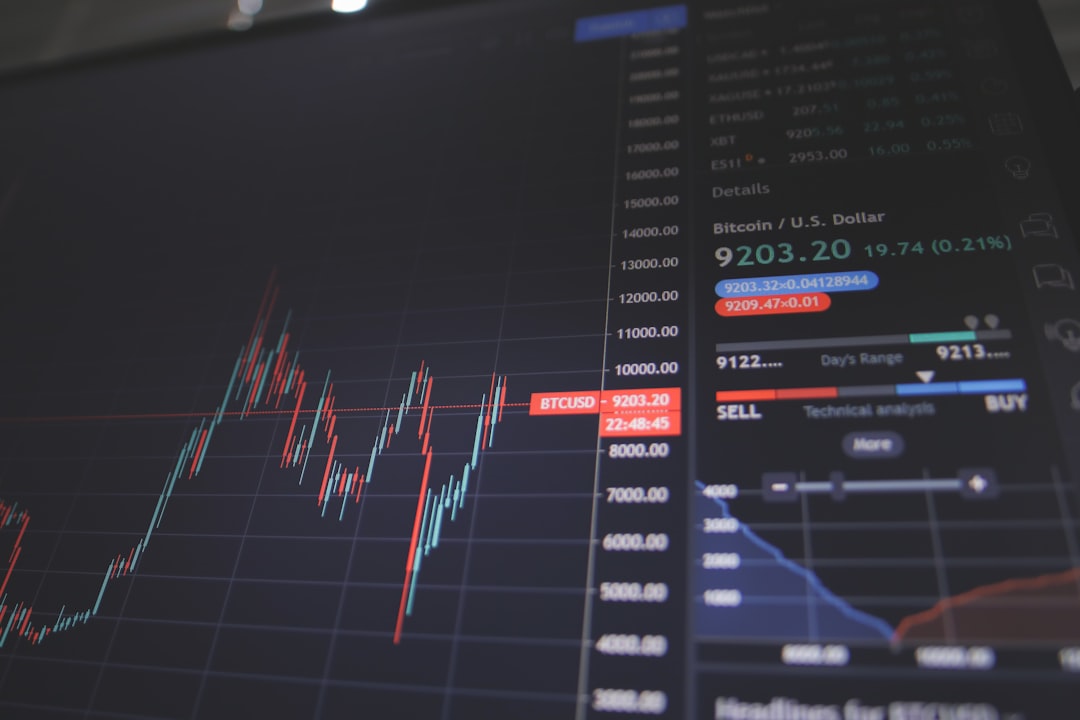
Alright, let’s cut the fluff and get down to brass tacks. We’re Ryan Stewman, and if you’re here, you’re not looking for some feel-good story about rainbows and unicorns. You want the real deal, the raw truth about how the world actually works, how money moves, and where the next big play is. Today, we’re talking about something that’s been brewing under the surface, something that’s about to hit a lot of people upside the head if they’re not paying attention: the unholy trinity of crypto, oil, and tariffs. These aren’t just abstract concepts for economists to debate; this is where the rubber meets the road, where fortunes are made and lost, and where real businesses live or die.
We’re not talking about hypotheticals here. We’re talking about tangible shifts in global power, financial leverage, and the very energy that fuels our world. For too long, the crypto bros thought they were operating in some digital utopia, untouched by the earthy concerns of oil barrels and trade wars. The old-school oil guys thought they were insulated by their black gold, and the tariff hawks just thought they were playing a game of chess. But we see it differently. We see a volatile cocktail - a potent brew that’s shaking up markets, creating kingmakers and paupers, and demanding a whole new level of strategic thinking. So, let’s peel back the layers and understand exactly what we’re up against.
The Seismic Shock of Tariff Tsunami
Look, anyone who’s been paying attention knows that tariffs aren’t just taxes on imports; they’re economic weapons. And when real geopolitical bombs drop, industries quake. We’ve seen it time and time again.
When China Gets Whacked, Everyone Feels It
Remember that shot across the bow? A rumored U.S. move to slap a 100% tariff on China isn’t just a political talking point. That’s a direct hit, a knockout punch aimed squarely at global trade. And what happened? In the blink of an eye, a staggering $19 billion crypto sell-off ripped through the market. Bitcoin, Ethereum, you name it, they all took a hit. This wasn’t some minor ripple; this was a tidal wave. And it wasn’t just crypto.
Oil’s Synchronized Dip: Not a Coincidence
At the exact same damn time, Brent and WTI, the lifeblood of the global economy, plummeted. We’re talking sharp falls, significant contractions. You think that’s a coincidence? Think again. The same news cycle, the same risk-off sentiment, the same fear of economic contraction that spooked crypto also put a chill on the oil markets. Why? Because tariffs, especially tariffs of that magnitude, signal a slowdown. They signal less trade, less production, less demand. And when demand for energy drops, so does its price. It’s cause and effect, plain and simple. We’re seeing a direct correlation, a mirroring effect, that tells us these markets are far more intertwined than the average pundit wants you to believe.
In exploring the intricate dynamics of global markets, an insightful article titled “Leveraging OPM for Wealth Growth” delves into how businesses can utilize other people’s money to enhance their financial strategies. This discussion complements the themes presented in “How Crypto, Oil, and Tariffs Collide in Real Business,” as both pieces examine the multifaceted interactions between various economic factors and their impact on business growth. For a deeper understanding of financial strategies that can be employed in the current economic climate, you can read the article here: Leveraging OPM for Wealth Growth.
Crypto’s Glass Jaw: Leveraged to the Hilt
Let’s be brutally honest. Crypto isn’t just a wild west; it’s a casino with rocket fuel. The volatility isn’t a bug; it’s a feature for some, a death trap for others.
The Liquidation Cascade: Paper Hands and Margin Calls
That $19 billion sell-off? That wasn’t just a bunch of people deciding to take profits. That was a liquidation wave, a tsunami of margin calls and forced selling. More than 1.6 million traders reportedly got absolutely wrecked. Why? Because the crypto market, despite its decentralized dreams, is highly leveraged. People are betting big with borrowed money, and when a headline hits that signals economic uncertainty or geopolitical friction, those leveraged positions get liquidated faster than you can say “fiat currency.” The moment the market smells trouble, those positions are blown out, creating a downward spiral that accelerates the fall.
Trade Policy as a Market Mover
We’ve preached it before: headlines move markets. But in crypto, a trade-policy headline can unleash a cascade of biblical proportions. It’s not just the direct impact of the tariff itself; it’s the ripple effect through the highly interconnected and often overleveraged crypto ecosystem. The perceived risk shifts, confidence erodes, and the scramble for liquidity begins. This means if you’re playing in this space, you can’t afford to just look at price charts. You need to be plugged into the geopolitical pulse, because a tweet from a politician or a rumor from a newsroom can wipe out your entire portfolio in minutes. We’re talking about a landscape where global politics directly dictates your bottom line.
Oil’s Jitters: Beyond Supply and Demand
The oil market isn’t some isolated beast. It breathes the same air, feels the same tremors as the rest of the global economy. And tariff concerns are hitting it hard, just like everything else.
Bitcoin and Black Gold: Unexpected Bedfellows
It’s fascinating, watching the financial media try to explain this. Recent coverage points out that Bitcoin has been falling in lockstep with oil. Think about that for a second. The ultimate digital asset, the supposed hedge against inflation and government overreach, is moving in tandem with the most traditional, physical commodity in the world. Why? Because the underlying sentiment driving both is the same: tariff angst. When traders price in weaker global growth due to escalating trade wars, they’re not just selling oil because they expect less demand for fuel. They’re selling everything risky, including crypto, because the overall outlook for the global economy sours.
The Risk-Off Reflex: Retreat to Safety
Brent and WTI both declined as traders started to bake in weaker growth and more uncertainty. This is the classic “risk-off” mood. When the future looks murky, when trade wars threaten to derail global economies, investors pull their money out of riskier assets and flock to perceived safe havens. Neither crypto nor oil, in this scenario, is considered a safe haven. They’re both seen as tied to the fortunes of a thriving, interconnected global economy. So, when that economy looks like it’s going to be hit by a freight train of tariffs, both these asset classes feel the pain. It’s a fundamental shift in investor psychology, and it’s a powerful one.
Trade War Escalation: Fueling the Fire
It’s not just about broad tariffs anymore. The trade war is getting nastier, more targeted, and that’s stoking volatility in energy markets directly.
Trump’s Shadow: Targeting Russian Oil
We’re hearing whispers, and sometimes shouts, about Trump-backed tariff measures targeting countries buying Russian oil. Now, if that doesn’t scream direct market manipulation and geopolitical grandstanding, we don’t know what does. These aren’t just empty threats. If implemented, these measures would directly impact the flow of one of the world’s largest oil producers. This isn’t about open markets; this is about using economic leverage as a weapon.
Pressure Cooker: Crypto and Energy Entwined
Such actions would undoubtedly raise global trade friction further, creating even more instability. And guess what gets caught in the crossfire? Both crypto and energy markets. The uncertainty, the risk of supply chain disruptions, the potential for counter-tariffs - it all creates a volatile environment where prices are hard to predict and even harder to strategize around. This kind of targeted economic warfare increases the cost of doing business globally, it makes planning a nightmare, and it pushes both these interconnected markets into a state of heightened tension. We’re talking about a world where political decisions directly translate into market turbulence.
In exploring the intricate relationships between cryptocurrencies, oil markets, and tariffs, one can gain valuable insights into the broader economic landscape. A related article that delves into the financial strategies businesses can employ is available at Unlocking Opportunities: Business Grants for Growth. This piece highlights how companies can leverage various funding sources to navigate the challenges posed by fluctuating markets and regulatory changes. Understanding these dynamics is essential for businesses looking to thrive in an ever-evolving economic environment.
Crypto’s Dark Side: Sanctions Evasion and Oil Tolls
This is where it gets really interesting, and really dangerous. Crypto isn’t just reacting to the old world; it’s actively changing it, sometimes in ways that challenge global norms and regulations.
The Strait of Hormuz Gambit: A Crypto Toll
Imagine this: Iran, a nation under heavy sanctions, reportedly contemplating a $1-per-barrel crypto toll for ships navigating the Strait of Hormuz. Let that sink in. This isn’t some theoretical academic debate. This is a direct, in-your-face challenge to international sanctions, leveraging the anonymous and borderless nature of cryptocurrency. This is a direct collision of crypto, oil shipping, and sanctions compliance. If this becomes a reality, it changes everything. It creates a parallel financial system for sanctioned entities, making it harder for global powers to enforce their will.
The Implications: A New Era of Shadow Finance
This move signals a monumental shift. It means that crypto isn’t just a speculative asset; it’s becoming a tool for geopolitical maneuvering, a mechanism for nations to circumvent traditional financial systems controlled by powers like the US. For businesses involved in oil shipping, this could mean navigating a new layer of complexity, potentially running afoul of sanctions even if they’re just paying an alleged “toll” in crypto. This kind of innovation, however illicit, demonstrates the power of crypto to disrupt established order and create new avenues for trade, whether legitimate or not. We’re talking about a weaponization of digital assets.
US Sanctions Policy: The Crypto Crackdown
The powers that be are not blind. They see what’s happening, and they’re moving to tighten the screws.
Treasury’s Grasp: Targeting Crypto-Enabled Evasion
The U.S. Treasury, as expected, is seeking more authority to target crypto-enabled sanctions evasion. They’re not just going to sit back and watch their sanctions regime crumble under the weight of digital currencies. This is a game of cat and mouse, with nations trying to maintain control over global finance, and rogue actors (or sanctioned states) using crypto to bypass it. The narrative here is clear: the US government understands that crypto, while a promising technology, also presents a significant threat to its ability to enforce economic policies globally.
The Limited Immediate Impact: A False Sense of Security
Experts are saying the near-term impact on oil sanctions may be limited. That’s a dangerous oversimplification, a classic understatement. While the immediate enforcement might be an uphill battle, the very act of seeking this authority signals intent. It signals that this fight is just beginning. It means increased scrutiny, more sophisticated tracking methods, and a growing crackdown on exchanges and platforms that facilitate such transactions. For any business operating in this space, ignoring this reality is pure folly. You might glide by for a bit, but eventually, the hammer will fall. We’re watching the early moves in a long, drawn-out war between sovereign power and decentralized networks.
The Real Business Takeaway: Adapt or Die
So, what does this all mean for us, the real players, the ones trying to build and grow in this increasingly complex world? It means the old rules are out the window. We’re not playing with the same deck of cards anymore.
The Interconnected Web: No More Silos
First, you must understand that these markets are not operating in silos. The crypto market is not some digital island, untouched by the earthy concerns of oil prices and trade policies. Oil isn’t immune to the digital whispers of geopolitical maneuvering. And tariffs, seemingly a blunt instrument of old-school trade, are now reverberating through every corner of the financial universe, including our shiny new digital assets. You need a holistic view, a 360-degree understanding of how these forces interact.
Volatility is the New Normal: Embrace the Chaos
Second, buckle up. Volatility isn’t an anomaly; it’s the new baseline. When tariff rumors can wipe out billions in crypto and send oil prices reeling, you’re operating in an environment where major swings are not just possible but probable. This demands robust risk management strategies, diversification, and the ability to pivot fast. If you’re hoping for calm waters, you’re swimming in the wrong ocean.
Strategic Imperative: Stay Ahead of the Curve
Finally, and this is crucial, you can’t afford to be reactive. We’re in a paradigm shift. The convergence of crypto, oil, and tariffs isn’t a temporary trend; it’s a fundamental restructuring of global commerce and finance. Whether you’re in logistics, energy, tech, or investing, you need to understand these dynamics. You need to be thinking five steps ahead, anticipating the next moves by governments, by economic rivals, and by those looking to exploit the cracks in the system. Those who understand these collisions, who can navigate this new terrain, they’re the ones who will not only survive but thrive. The rest? They’ll be left wondering what hit them. We’re not here to react; we’re here to dictate, to lead, and to profit from the chaos. Let’s get after it.
FAQs
What is the impact of crypto, oil, and tariffs on real business?
The impact of crypto, oil, and tariffs on real business can be significant, as they can affect various aspects such as costs, supply chains, and market volatility.
How do crypto, oil, and tariffs intersect in real business?
Crypto, oil, and tariffs intersect in real business through their influence on global markets, trade relationships, and financial transactions. For example, tariffs can impact the cost of importing and exporting oil, while crypto can provide alternative means of payment and investment.
What are the challenges businesses face due to the collision of crypto, oil, and tariffs?
Businesses may face challenges such as increased costs, uncertainty in supply chains, and market fluctuations due to the collision of crypto, oil, and tariffs. Additionally, navigating regulatory environments and geopolitical tensions can pose challenges for businesses operating in this landscape.
How can businesses navigate the impact of crypto, oil, and tariffs?
Businesses can navigate the impact of crypto, oil, and tariffs by staying informed about market trends, diversifying their supply chains and investment portfolios, and adapting to regulatory changes. Additionally, seeking expert advice and leveraging technology can help businesses navigate these challenges.
What are the potential opportunities for businesses in the intersection of crypto, oil, and tariffs?
Despite the challenges, there are potential opportunities for businesses in the intersection of crypto, oil, and tariffs. These may include exploring new markets, adopting innovative payment solutions, and leveraging technology to optimize operations and mitigate risks.